


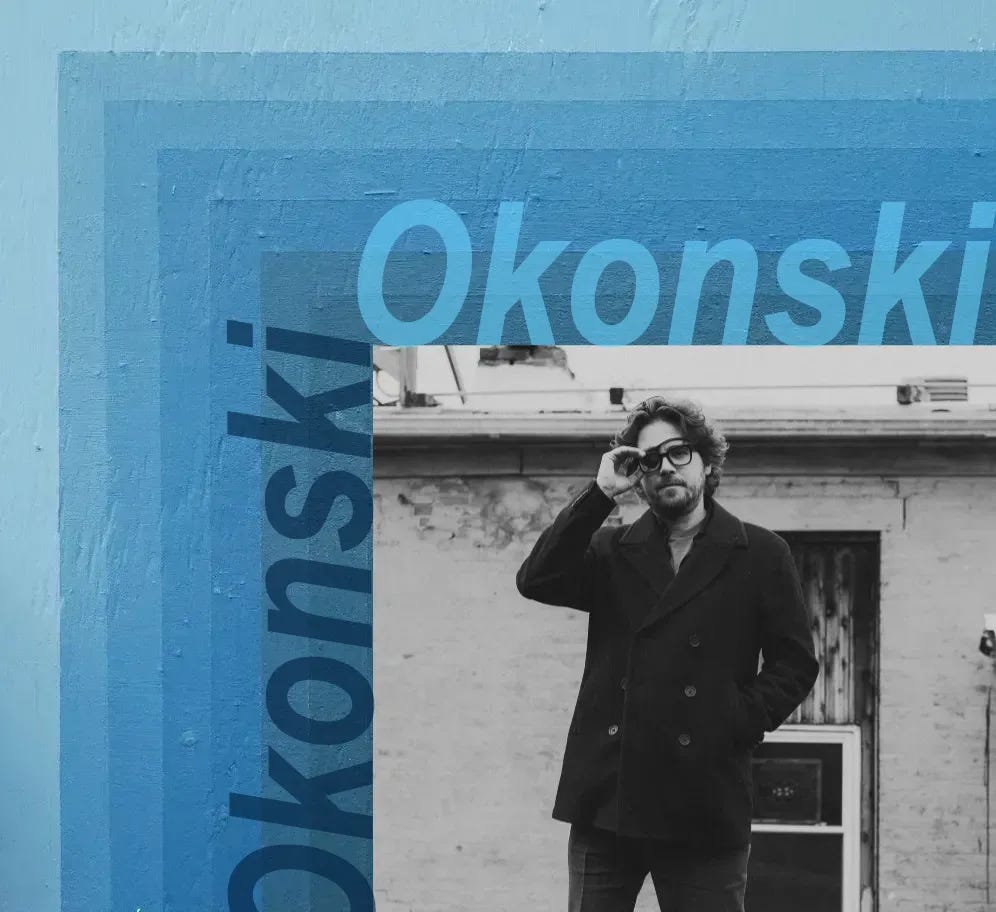
Here’s a task for you, dear readers.
Throw on Entrance Music at the end of a long day. Sit back. Exhale. Or stand up. Pace around your apartment with your headphones on. Pan fry some broccolini. Play with your cat. Climb the fire escape. Ride a bike around the reservoir. Massage your feet. Water the plants. Whatever you get up to, this collection of songs is bound to enhance the moment. I promise.
The music made by Steve Okonski (keys), Michael Montgomery (bass), and Aaron Frazer (drums) can be lived in. It’s arresting, raw, spontaneous. A soundtrack to your life.
Having played together in the neo-soul group Durand Jones & The Indications, these three artists understand one another’s style enough to rely on recording impromptu communication. A language derived directly from the jazz tradition — improvised sound, eye contact, emotion.
Yet, Okonski’s output sounds unified and unique. The trio’s albums — recorded by Colemine Records’ very own Terry Cole — are made to transport listeners back in time, about 60 years, when iconic jazz records were made to sound immediate and intimate, as if a group of cool cats picked the locks, came inside, and set up shop in your living room.
There’s a reason Okonski records continue to sell out. With a defined sound that’s accessible to any music lover — not only jazz heads — Entrance Music and Magnolia are ideal albums to own on vinyl.
These are atmosphere-enhancers, vibe-boosters, instrumental expressions designed to ride a passing breeze. Songs to wrap yourself up in, to let your mind naturally navigate its way out of whatever maze in which the world has it temporarily trapped.
After speaking with Steve (certified bandleader), I’m hopeful regarding the prevalence of ambition and artistry being poured into instrumental creations from Okonski and a wave of other current artists.
Together, we discuss why modern-day audiences are increasingly captivated by vocal-less music, as well as Okonski’s plan to play more live shows, the trio’s eclectic mix of music influences, the purpose of unpreparedness, upcoming releases, and more.
Enjoy.
Do you remember the show you played with Durand Jones and the Indications in Rhode Island? Right before Covid hit?
Wait, I do remember that. And we definitely all had Covid. We obviously didn’t realize it at the time, and it’s not like we can test it now, but in retrospect I think that was February of 2020, so it tracks.
I remember Durand mentioned that you all had the flu; I still can’t believe how good of a show it was, considering. What’s the touring schedule like with the Indications for 2026?
It’s a pretty light year, which is great because it’ll give me some space to branch out and play more Okonski shows.


The first Okonski record came out in 2023. How many shows has the trio played since then?
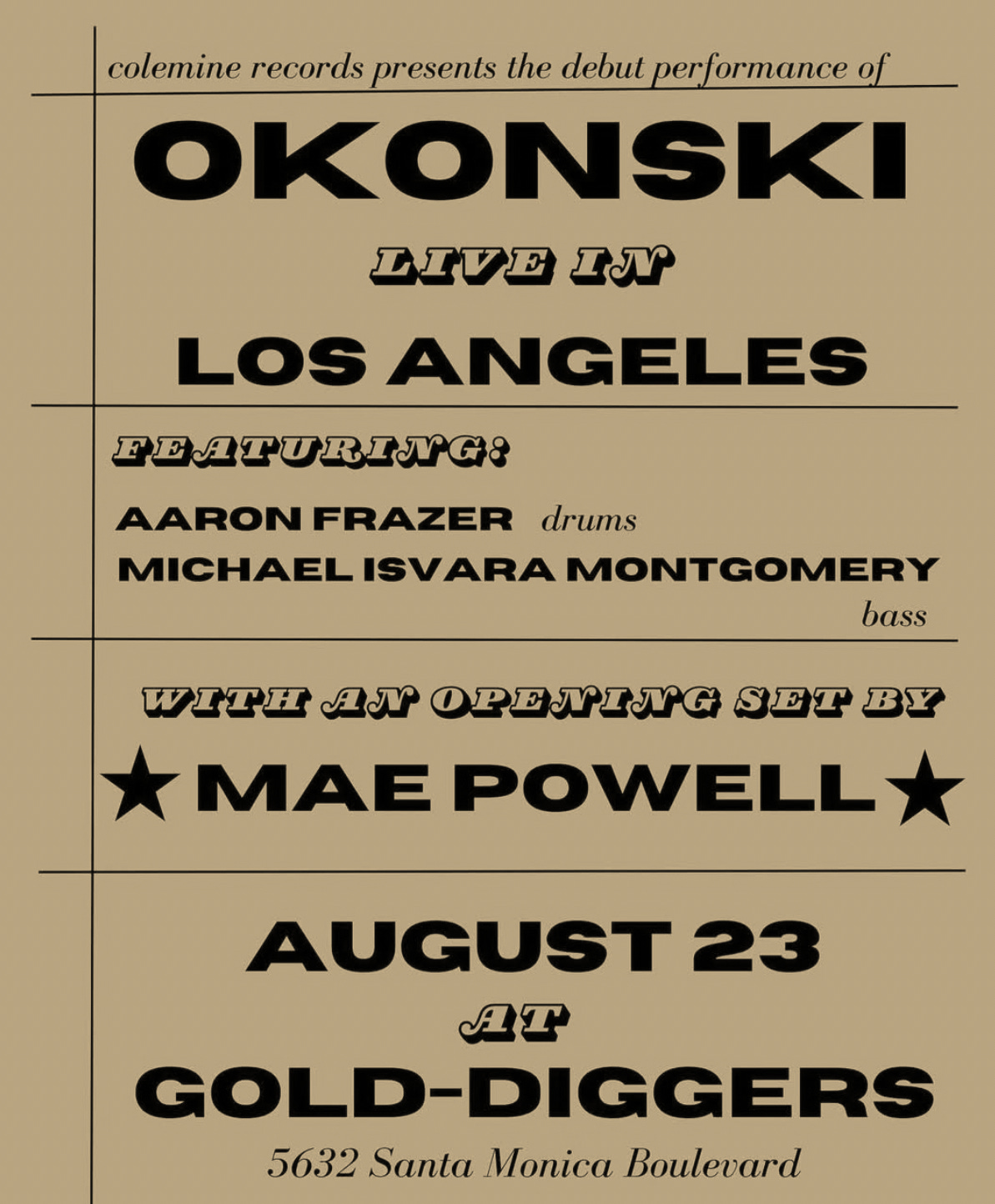
There have only been six proper Okonski shows. Our first gig was in L.A. in 2023 at Gold Diggers. Then last year we did two in L.A., and a couple more shows supporting Mae Powell. Our upcoming show at National Sawdust in Brooklyn will be our New York debut!
Over the past few years, I’ve talked to emerging artists — Moon Mullins, Dana & Alden, Misha Panfilov — who are as committed to playing and recording instrumental music as yourself, and people love it. Have you seen a rise in the desire and appreciation for instrumental records since you started Okonski?
That’s interesting. There’s definitely been an uptick in the popularity around instrumental music. I’m thinking of artists like Misha and Sven Wunder. I’d also say as the “chill beats to study to” vibe has grown, people have begun perceiving jazz outside of its traditional reputation.
The title of your last record — Entrance Music — actually reminded me of Dana & Alden’s Quiet Music For Young People, in the way that it sounds like an introduction to listeners who don’t feel entirely comfortable with “jazz.”
I love that interpretation, and I’ll fully stamp it. But the name Entrance Music was more personal to me. I was starting a new chapter of my life. Moving to Asheville, NC from New York City, and starting a family. It felt like a rebirth, or a renaissance, but those terms seemed a bit too corny for an album title. Eventually, I realized that for me, the music was an “entrance” into a new world.
What’s the band’s relationship with jazz music?
Mike, Aaron, and I all played in the Indications together, and have played on each other’s personal projects, so there’s a deep soul influence. But soul, classical and jazz have always swirled around me. And while I can talk on and on about jazz records, I grew up playing classical piano just outside of Detroit, where soul music was huge. For year, those were my two main influences. But as I got older, I got more into jazz.
Do you remember the first album you ever bought?
I bought a CD of Smash Mouth, the one with “All-Star” on it. But my parents both worked at record stores before they had me, so our house was full of music. I remember the first albums my dad gave me were Miles Davis’ Bitches Brew and Beastie Boys’ Licensed to Ill.
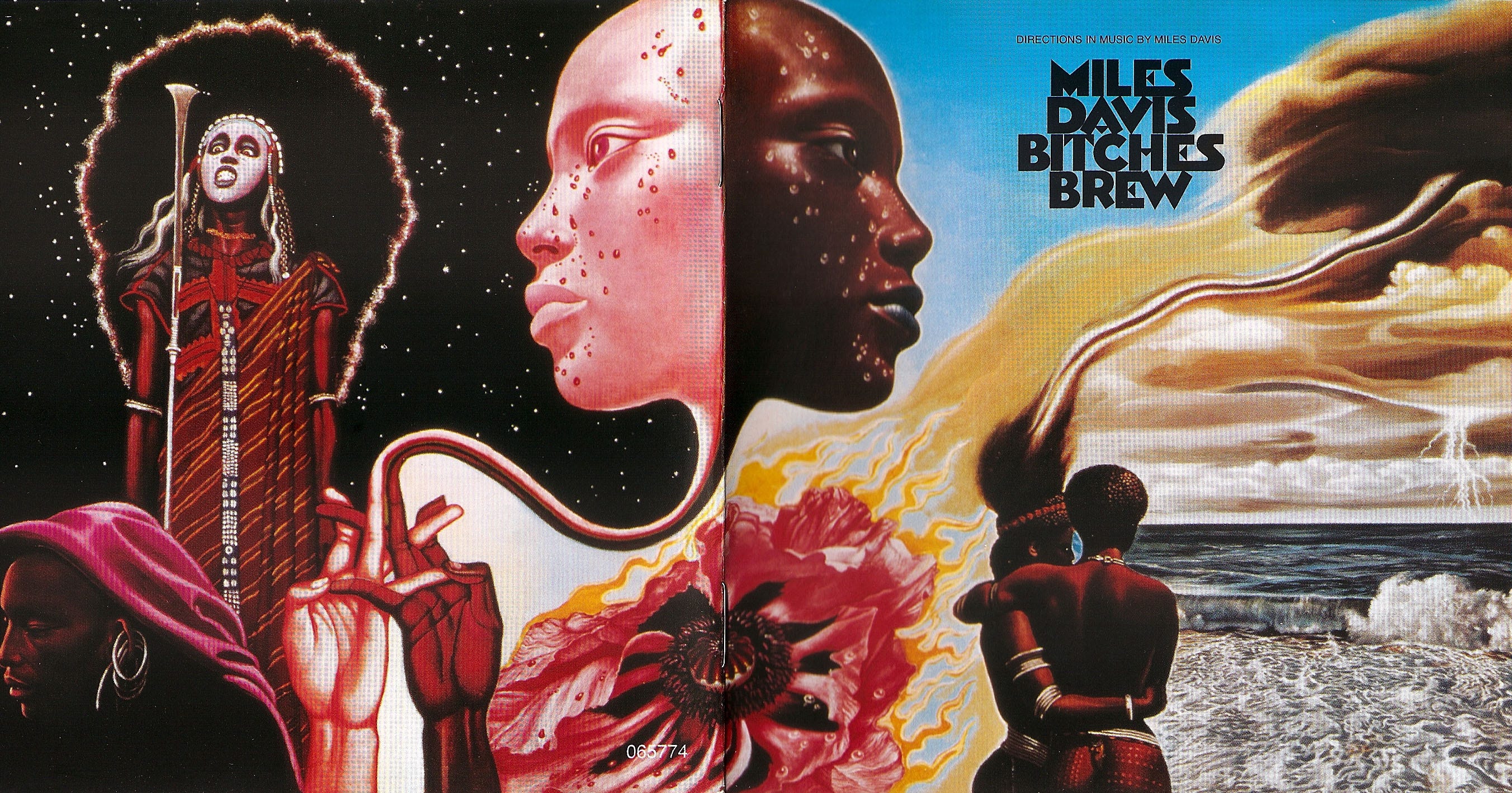
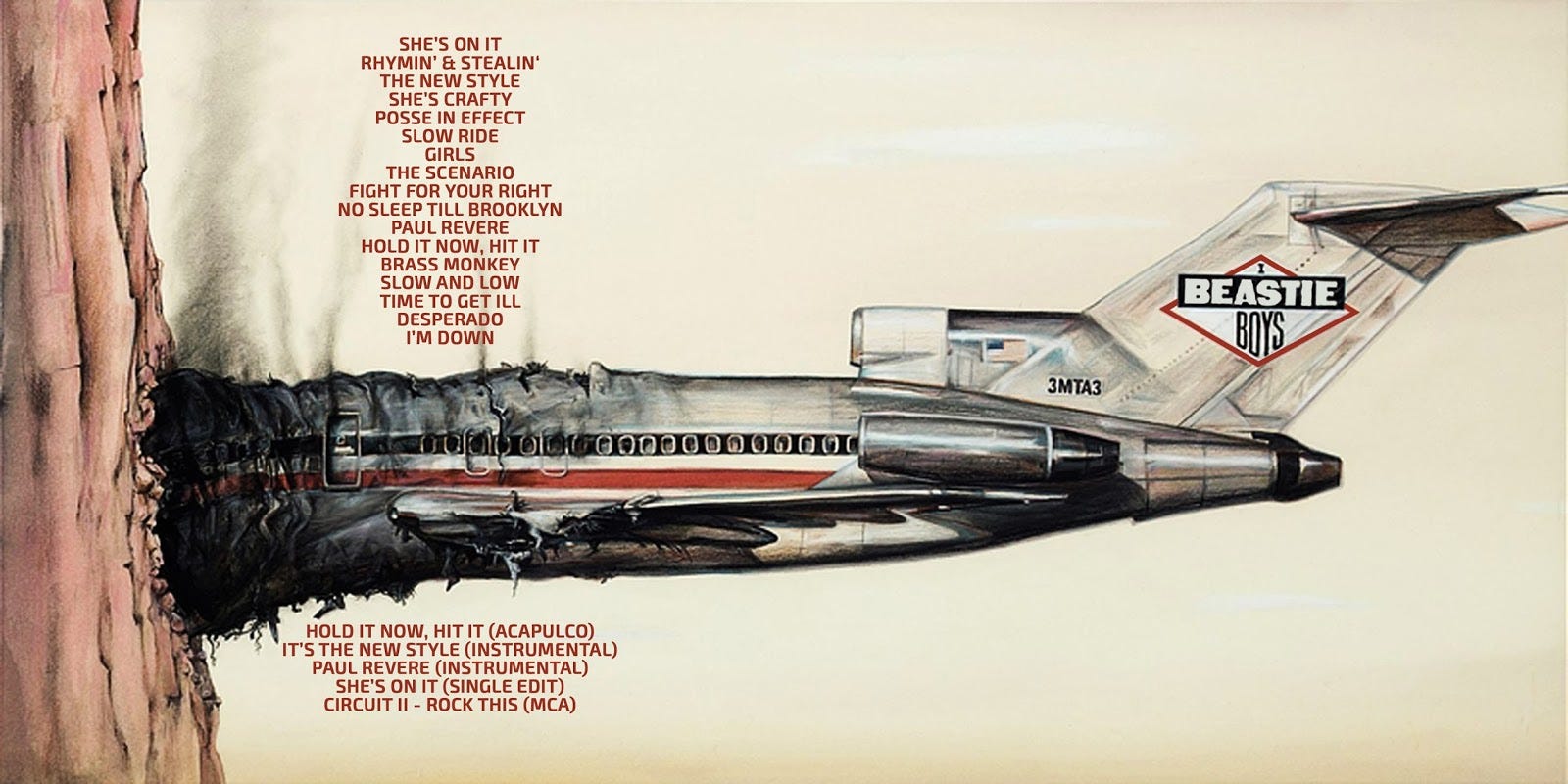
Wow, what a combo.
It was a pretty odd mix, but I remember listening to those all the time. I must have been 8 or 9 years old.
Those are crazy albums to give an 8 year old.
I know! I’m really proud of my parents, they were on some shit. My dad loves Tom Waits and Miles Davis, and my mom loves Bob Dylan. My parents were very influential to my music career, they encouraged me to stick to music when I didn’t want to.
Was piano your first instrument?
Yeah, I started taking lessons from the lady down the street when I was 5-ish, with various levels of enthusiasm.
Are there any records you found on your own that directly inspired your piano style?
I’ve been thinking about this a lot lately because I was on a flight back from Europe and I didn’t have internet or TV, so I was really digging through my saved media. The first three The Bad Plus records blew my mind in high school. I’m not even sure I liked them outright at first, but I couldn’t stop listening.
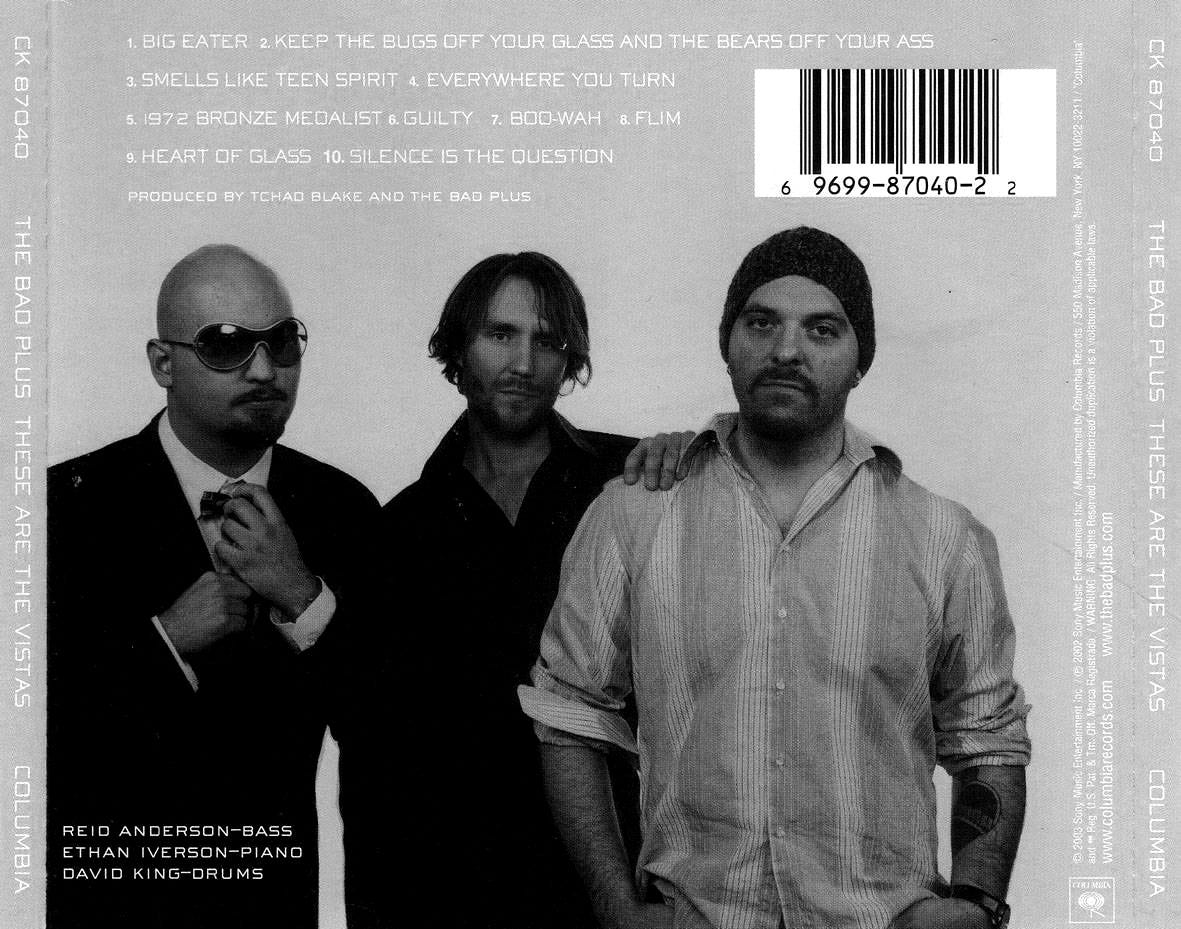


I’m not familiar with The Bad Plus. Are they a trio?
The lineup has since changed, but they used to be a piano trio that put out some incredible records between 2003 and 2007. Their music sounded much different than the piano trios of the 60s. I remember people talking shit about them, saying they’re just playing covers of pop tunes, and I was like, Okay, but it sounds cool as hell. Every band member is writing. They all lead at different times. It took me a long time to realize how much they influenced what I’m doing now.
What is it like to listen back to those records?
Different aspects pop out at me. I have a better understanding of what I’ve always liked so much about their music. The Bad Plus embodies a real mesh of influences that I feel a real kinship to. They taught me that jazz music doesn’t always have to swing.
Is the concept of mutual leadership within a band essential to your process?
Yes. The Bill Evans Trio was also influential in the “everyone leads” ethos. That idea of inter-band communication is very important to me and I try to carry it through all my projects.
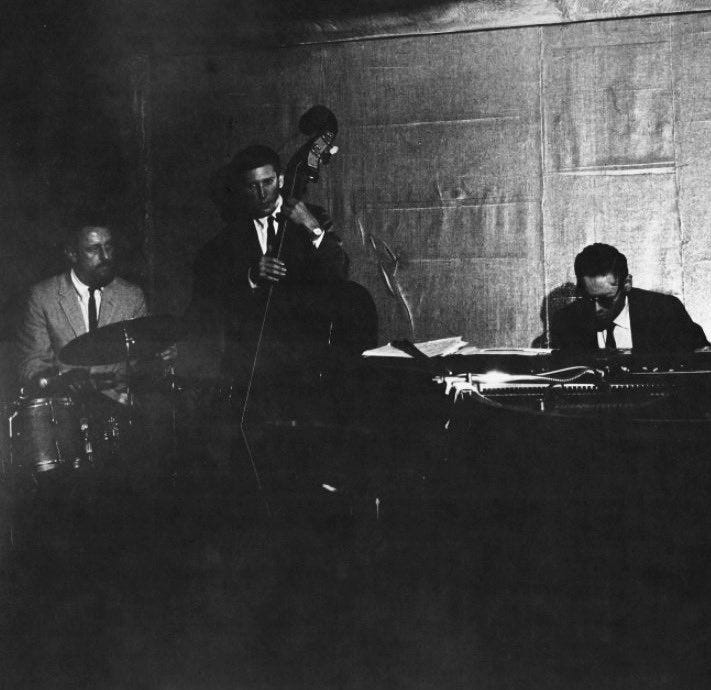
How does the “everyone leads” concept translate to Okonski recording sessions?
We book four or five days at Colemine Records in Loveland, OH, and we don’t rehearse, we just hit Record and see what happens. I try and come into the studio without concrete ideas. Sometimes I’ll be like, Let’s try doing something in B-flat, or 6/8, or we go off a little lick I thought up beforehand, but that’s it.
How does this tactic impact the output?
There’s something really special in the uncertainty of what’s coming next. It forces us to play with intention and caution, but also full abandon.
You’re allowing yourselves to bond musically, but also surprise each other.
For “October” on Entrance Music, what you hear is the full take just the second time we played it. This kind of result is always very exciting. It doesn’t happen every day, it doesn’t happen in every track, but after playing together for so many years, Aaron, Mike, and I know each other’s proclivities, we know how to listen. We’re all working together toward a common goal.
Are there certain records you wanted Entrance Music, or your first album Magnolia, to sound like?
Definitely, and that part is all Terry Cole’s doing. It’s his studio [deemed the “Portage Lounge”], his equipment. We were all very much in agreement about wanting the record to resemble the 1960s Blue Note Rudy Van Gelder recordings: the piano is raw, there’s no direct-out on the bass.
My records are basically all 80% room-miked, and I think that makes a big difference. The mixing is minimal and you hear everyone playing to each other. While listening, you should feel like you’re in the room with us.


Similar to a resurgence of instrumental music in the culture, I’ve found that more artists and fans are also craving warmer, less manipulated recordings.
I wonder if that’s a response to the ultimate control artists and engineers can have in the studio these days. There are plenty of super clean records that are super cool, but they’re not always especially fun to listen to or make.
The way you guys are going about it in the studio sounds like a fun alternative to over-rehearsing and nitpicking final details.
Yeah, absolutely. And the worst case scenario is we spend five days having fun and playing music together without getting a record out of it. That’s pretty cool. What else are we going to spend our money on?
How have you responded to the popularity and critical acclaim of both Okonski records?
I’m overjoyed. I had no expectations. Putting out an album is an inherently selfish act. The fact that anyone listened to it, the fact that it even existed in a physical format took me over the moon. And then the fact that some people bought it and listened to it and said it was one of their favorite records — it means so much.
Did you always dream of having your own personal project?
I’ve wanted to have a project that I was at the helm of since my early 20s. It’s been so cool to be part of records as a sideman with The Indications and other bands, but to put out music I have some ownership of has been a goal for some time.
How did Okonski officially begin?
The Indications were originally on Colemine, so anytime we went through Cincinnati we stopped by Terry’s spot and recorded. Sometime in 2019 or 2020 Terry asked me if I wanted to work on something a little more jazz-focused. So we did a session with Aaron, Mike and I, which resulted in the Trio Session Demos album we put out in 2024. That time was fruitful, with overdubs, Wurlitzer, electric bass, guitar, organ. But it was more instrumental soul than the meditative jazz we eventually found.
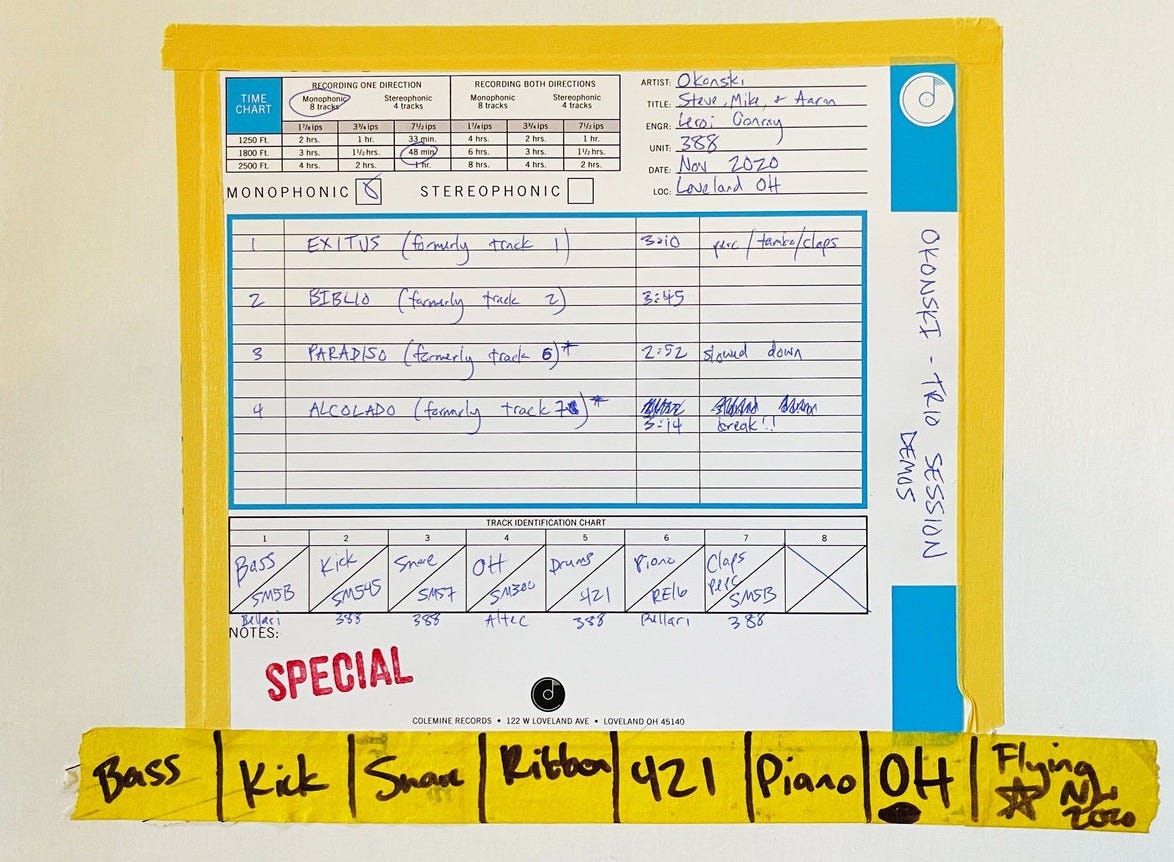


When did you find that sound?
On the last night of those session we had tape left over. Terry turned off the lights and recorded us. What we played became the last track on Magnolia. We realized then that we needed to come back and do a whole session like that.
You mentioned the word meditative, which reminds me of Phil Cook, another artist who records instrumental piano music. I got to see him play a show this year and he described the process of sitting at his piano and recording as a solo meditation. Would you say Okonski albums are born out of a similar urge — a “collaborative meditation”?
I think you hit the nail on the head. What we’re doing has similar through-lines as Phil. We’re trying to be in the moment when we play together. And instead of describing chords and changes in the studio, sometimes we just describe emotions and play from there.
To be able to do something calming and anxiety relieving with friends and collaborators is very special. I don’t take it for granted.
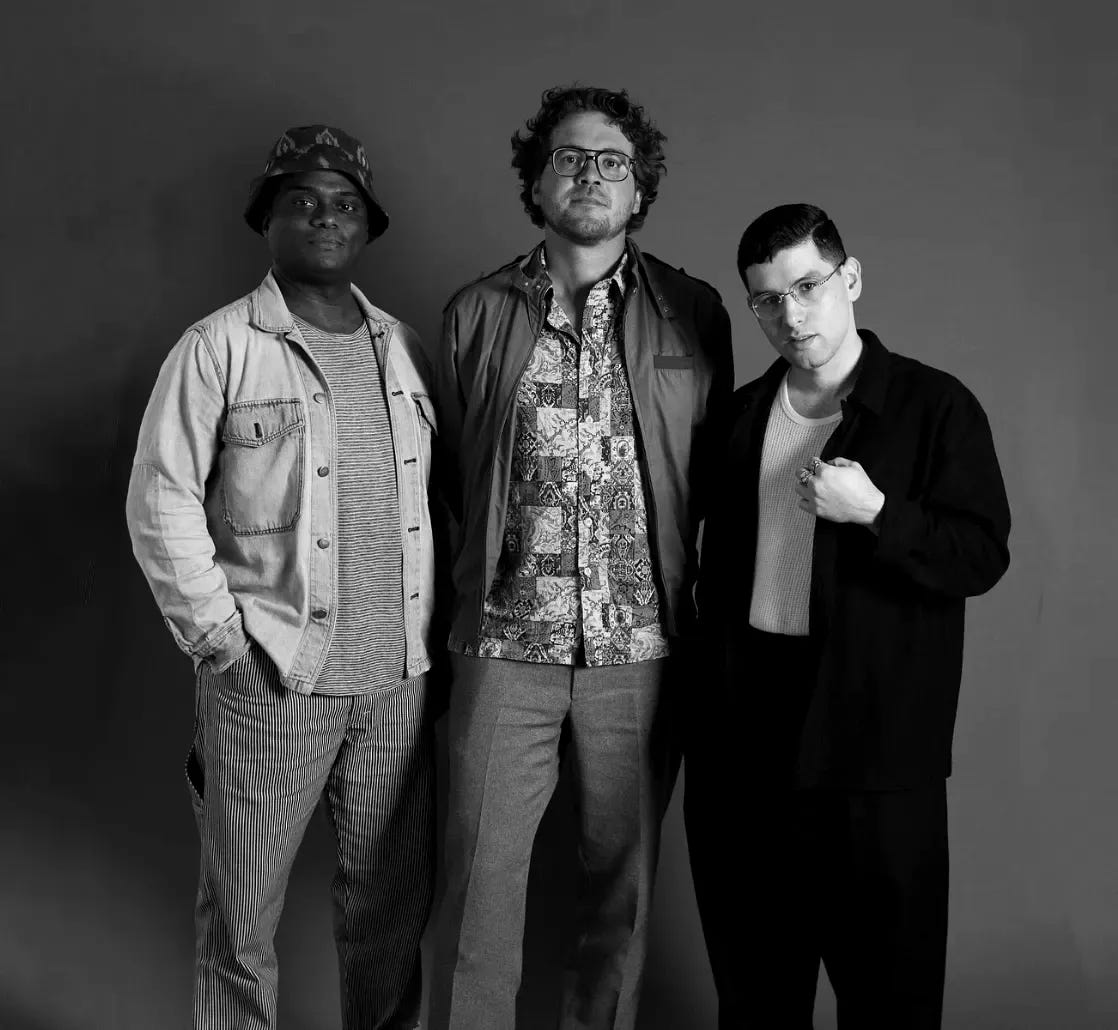
What have you discovered in the process?
I think we definitely discovered what the trio sounds like. And we all went outside of our comfort zones to find it.
In that first studio session were you surprised at all by the artistic choices Aaron and Mike were making?
It was cool to go back and admire small details I hadn’t heard while playing. Like Aaron doing triplets on a mason jar with a brush (I didn’t even know he had a mason jar with him). Or Mike playing every off-beat for two minutes straight and then switching to the on-beat. It was more exciting than surprising.
Because we’re talking trios, I gotta say the band that got me into jazz was the Ahmad Jamal Trio.
100%.
At first they were so accessible, but the more I listened I realized what they were doing was unique and complex.
It just gets deeper and deeper. I think Ahmad Jamal is the most accessible and deepest pianist there is. If you want to hear a crazy Ahmad Jamal record, check out Extensions.
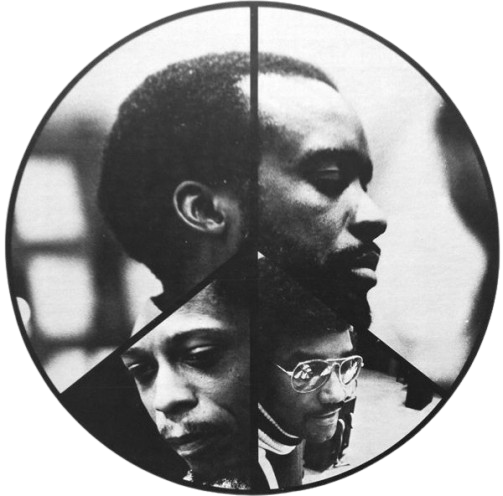
I think of Ahmad Jamal’s early records as timeless, which is a word so many listeners have used to describe Okonski.
I think that’s one of the cool things about instrumental music. It’s universal. It can translate anywhere in the world.
I also think instrumental music has the ability to enhance an atmosphere by complimenting a room.
I agree with that. “Enhance.” Instead of being the main focus.
So what does Okonski have lined up for the future?
We’ve recorded a third album that will hopefully come out early next year, after a bunch of singles. Then we’ve got another studio session in the summer at Colemine to record another album. For now, we’re just trying to get some live shows under our belt.
What’s your approach to playing live?
It’s kind of the same as our studio approach; I don’t want to over-rehearse. I’d love each gig to feel like an experience. Have people with us along the way, be in the moment.
We’ll probably throw a couple covers in that we’ve never played before, just stuff that’s exciting to try and figure out.
I think that’s a pretty novel approach to performing live. Phil Cook’s show in NYC last year was very intimate, he even paused at one point to allow anyone in the audience to ask questions. It felt like an experience because it bonded everyone.
You can do the same thing every night, nail it, and have a perfect show. That’s an event, like going to see a movie. And that’s very cool — I love playing and seeing shows like that. But I’m most excited to have Okonski shows feel loose. Encourage everyone in the band to branch out, try new stuff, take comfort in the unknown and see what happens. That’s where the juice is.
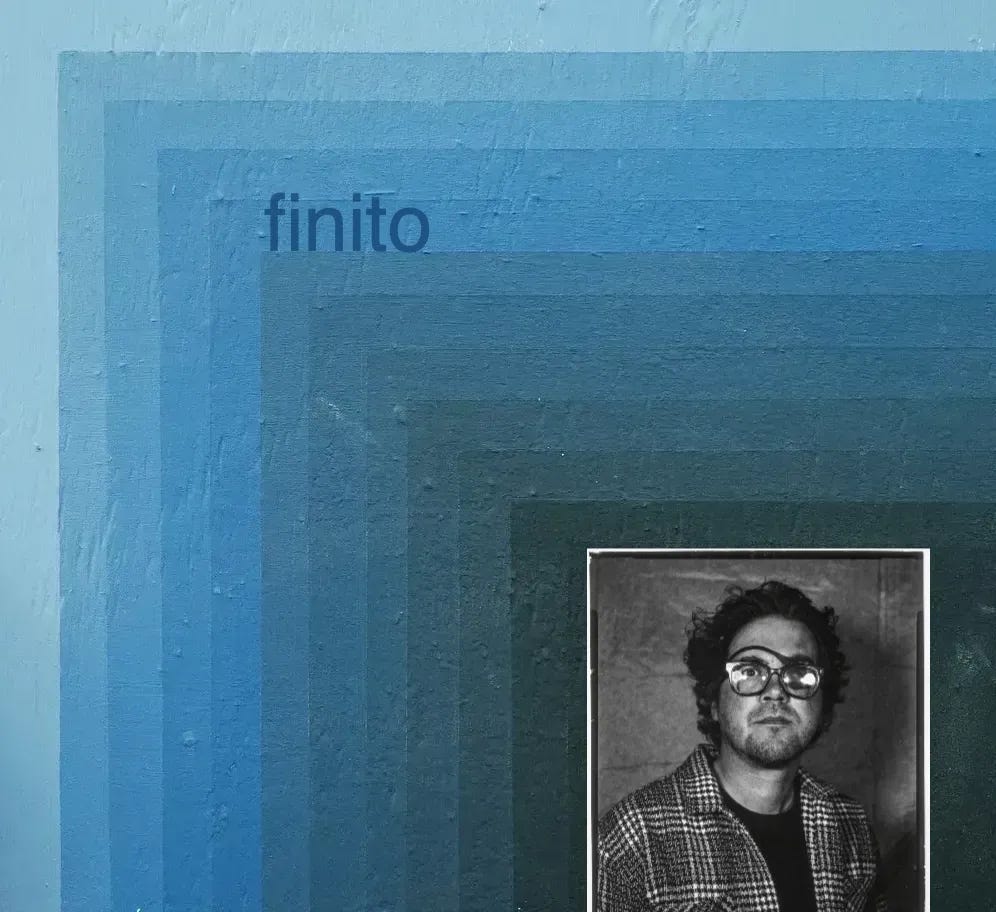
I found Entrance Music just last week and have played it almost constantly! I could hear the influence of The Bad Plus immediately, and it’s great to read about them and other influences on Okonski’s work.