


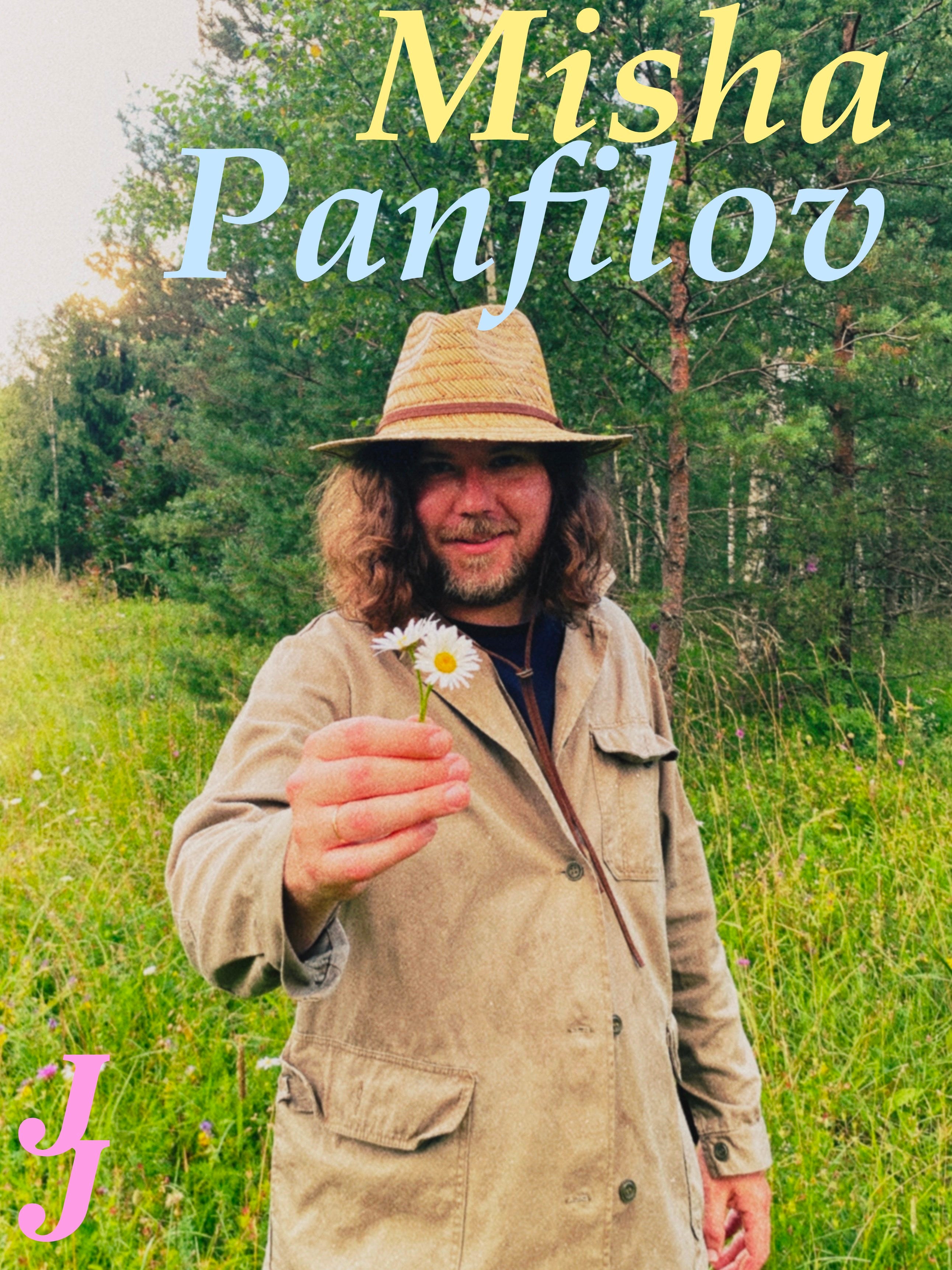
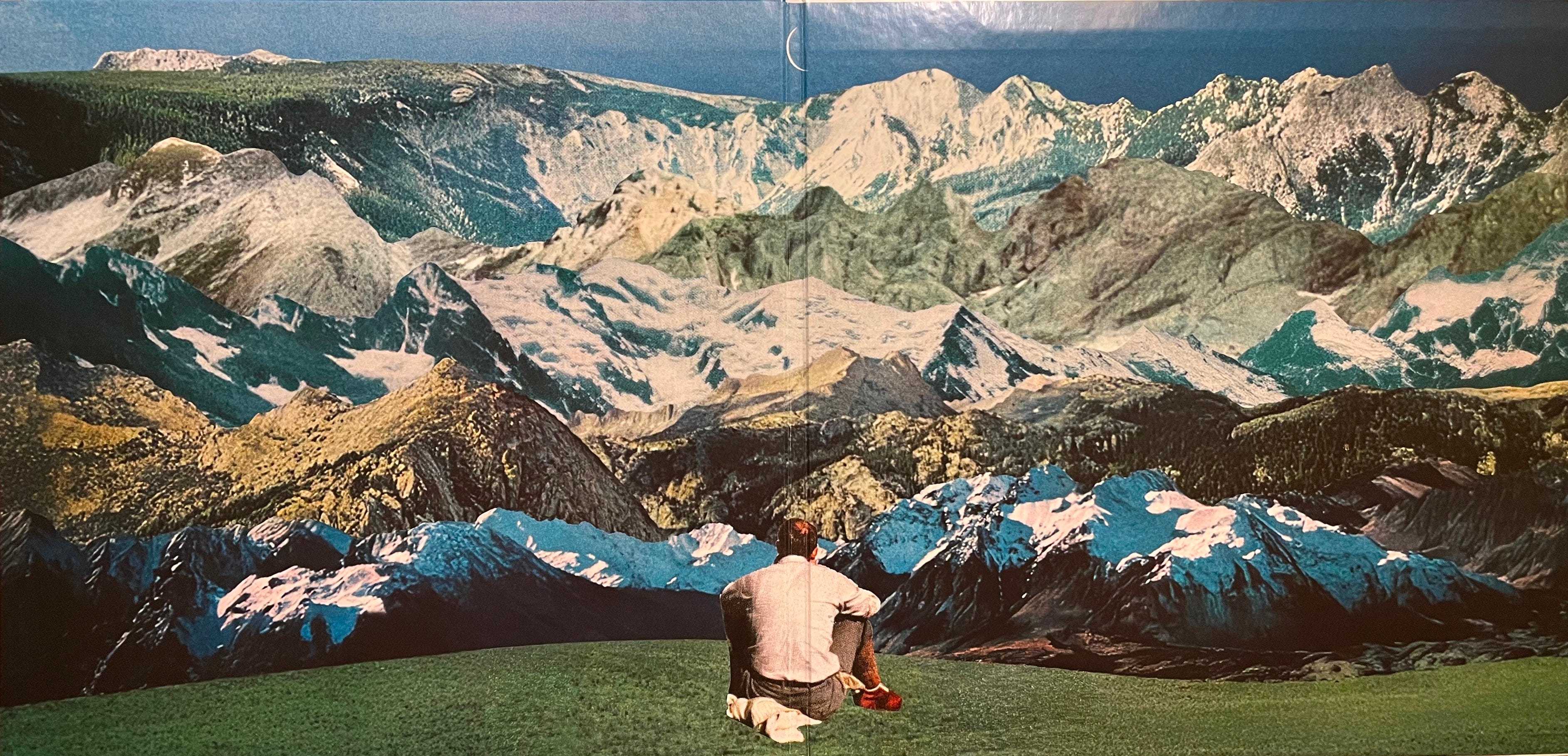
One night a few years back, I was trying to finish an article on deadline and found myself lost in a magical sounding album with a magical sounding name: Days As Echoes by Misha Panfilov.
I fell into the record effortlessly, with the first note of the first song making me feel like I was airborne, gliding with a current, through the clouds, gazing down without fear at wherever the hell it was I’d come from.
Each subsequent song on the Estonian composer and multi-instrumentalist’s spellbinding record expanded my unexpected voyage, taking me into yet another space I didn’t know I desperately wanted to go.
As my deadline neared, I remained seated at the kitchen table, struggling to put sentences together. But Days As Echoes became an antidote to my ensuing brain fog. I put the album on repeat and the music continued to propel me forward, focusing my brain, helping suggest a rhythm for what I was trying to say on the page.
By the time I submitted my story, I must have played Days As Echoes at least 14 times. The next day, I bought it on vinyl.
Beyond Velly Joonas’ cover of Roberta Flack’s “Feel Like Making Love,” (titled “Käes On Aeg” ) — a wonderful cult record from the early 1980s — I’d never payed much attention to music from Estonia. Not until I discovered Panfilov, who has an impressive output for a fairly young fellow.
In less than ten years, the Tallinn-based artist has released 20 albums (while pressing the majority of them to vinyl).
Working my way through Panfilov’s discography — original instrumentals spanning a wide range of genres, collaborators, styles, and moods — I noticed something special: Panfilov’s records are disparate planets orbiting the same sun.
Original film scores, psychic synth records, orchestral dreamscapes, fuzzy, serrated surf-rock singles, smoky, loose jazz numbers — the breadth of Panfilov’s sonic archive is undoubtedly diverse, yet it possesses a unifying aesthetic, a distinctive vibe.
Each song is a roving musical vessel equipped with the ability to bring you somewhere else. Somewhere worth going. Panfilov’s songs invite you to ride shotgun and cruise the scenic route, wandering, drifting turns, pulling pranks, and returning to the curb, in a different frame of mind.
As a living human music lover, I find it utterly impossible not to mention when a band or artist “literally has no bad songs.” And, for me, Misha Panfilov fits this description.
So, please, for the love of all the music gods flapping their wings in harmony, giddy-up, let’s get going!
(Enjoy)
I’m blown away by your mixtape series, Funked Up East, in which you showcase sonic gems from behind the Iron Curtain. How has uploading these videos over the past 10 years impacted the way you think about music?
These records feel very close to me, both geographically and culturally. A lot of it I heard as a kid in films and cartoons, but most of it I discovered later in life.
And like any good music, the records I share on the channel — beyond the educational impact — have also helped shape my taste, as well as my overall musical and artistic aesthetic choices.

Is there anything you’ve learned about a band or record featured on the YouTube channel that has shocked or encouraged you?
I was quite surprised to learn that an album by Tõnu Naissoo, recorded in 1968, was made when he was only 17 years old. Just a year earlier, at 16, he had already played at the legendary Tallinn Jazz Festival, sharing the stage with American jazz phenoms like Charles Lloyd and Keith Jarrett.
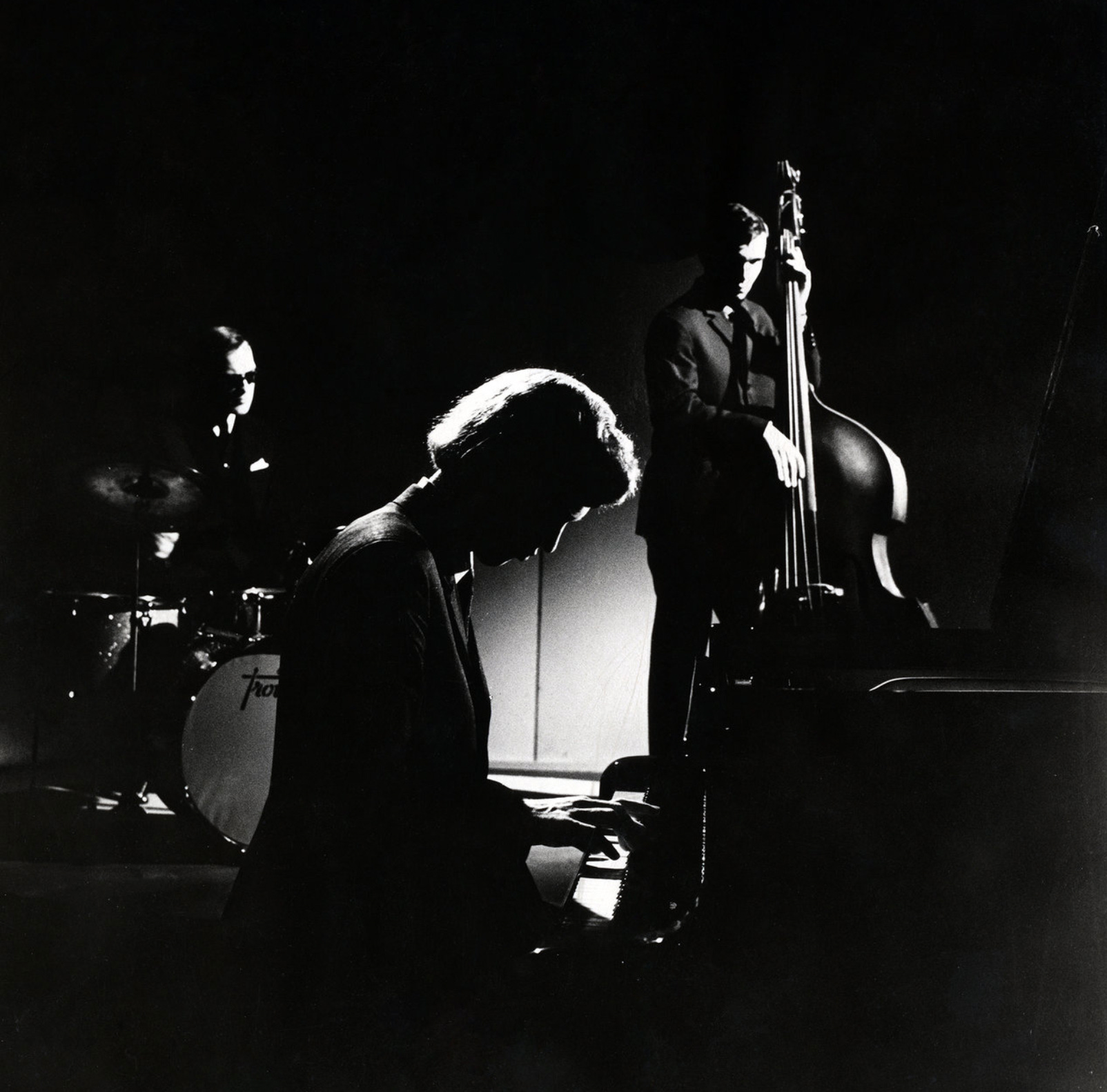
The original pressing of Naissoo’s trio album is now considered one of the most sought after and expensive records ever recorded in Estonia.
I actually saw him perform just a few weeks ago and was amazed by how fantastic he still sounds.
I’m totally unfamiliar with the music scene from where you’re from. How would you describe it to those of us who have never been to Estonia or its capital?
Overall, the music scene in Estonia is not huge, but it’s quite diverse. You can find almost every genre you’d expect in any European country, just with a special local flavor.
What are some of your favorite record stores and music venues in Tallinn?
For such a small country, we have a good number of record stores per capita, and each one has its own vibe. Biit Me; Dogz Records; Psühhoteek; and Tallinn Old Town Records are just a few examples.
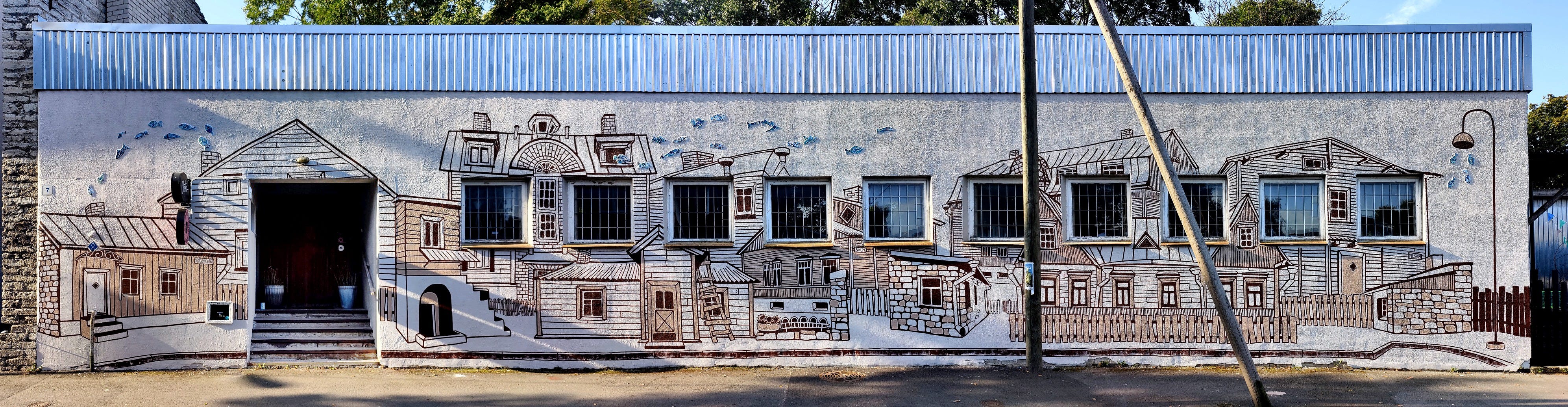
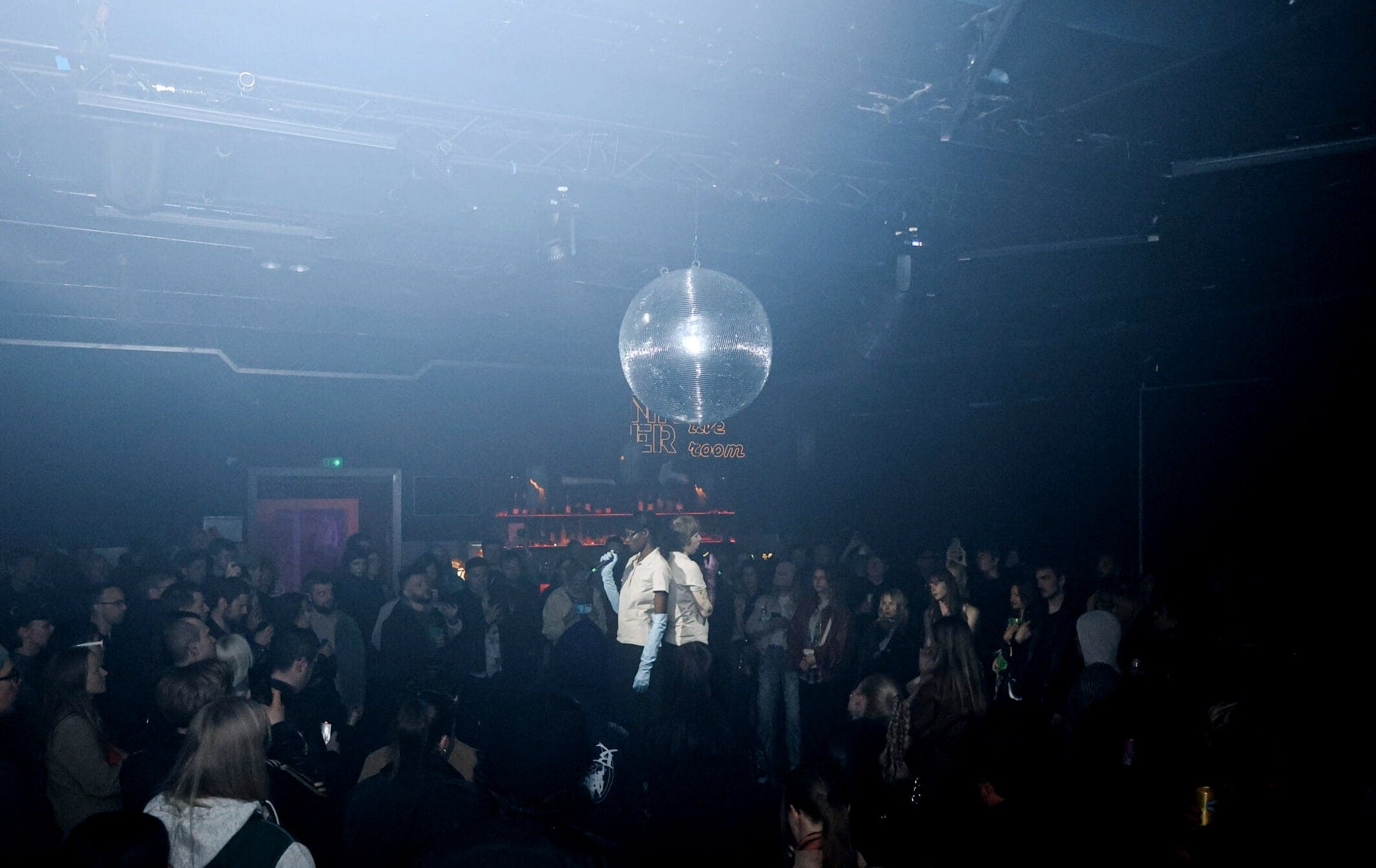
When it comes to live music venues, things feel a bit more modest, but I would definitely highlight Paavli Kultuurivabrik for the wide range of artists who have played there over the years.
Who are some current Estonian artists we should have on our radars in the West?
I’d love to shout out a few friends of mine. Composer and pianist Volodja Brodsky; DJ Bandit, who makes kraut-inspired trip-hop; Kantri Guidu with their lo-fi fuzzy country sound; garage punks The Satones; psychedelic doomers Zahir; and the one and only Ruslan Px, who represents the Russian-language underground scene in Estonia.
Ruslan Px was actually the first person who invited my teenage band to play live and told us we were making something exciting. That kind of encouragement really means a lot when you’re just starting out and I’ll never forget that.
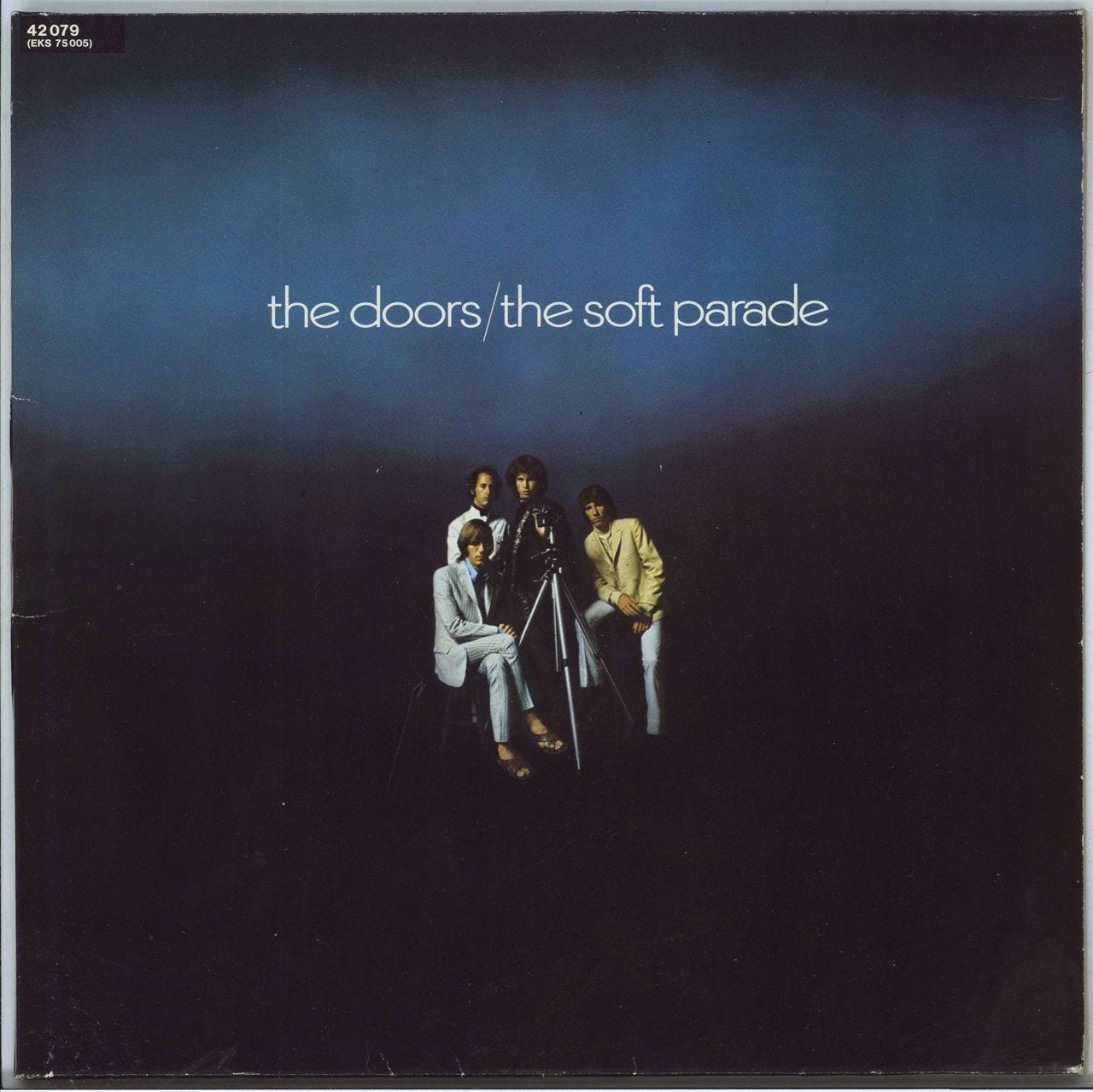
I read online that the first record you ever bought for yourself was The Soft Parade by The Doors. Do you remember why you chose that record in particular? Are The Doors an influential band for you as an artist and composer?
I’ve loved The Doors since I was very young, and The Soft Parade is actually my favorite album by them, even though I don’t think they ever made a bad record.
It’s a unique mix of psychedelic rock and deep, lush pop sentimentality à la Sinatra. They never really did anything like it before or after. The album was heavily criticized at the time, which is why they moved away from those kinds of experiments later on. Which is a shame. So when I saw that record in a store, it felt like the perfect choice for the first album in what would become my collection.
And yes, their influence on me and my music is huge.
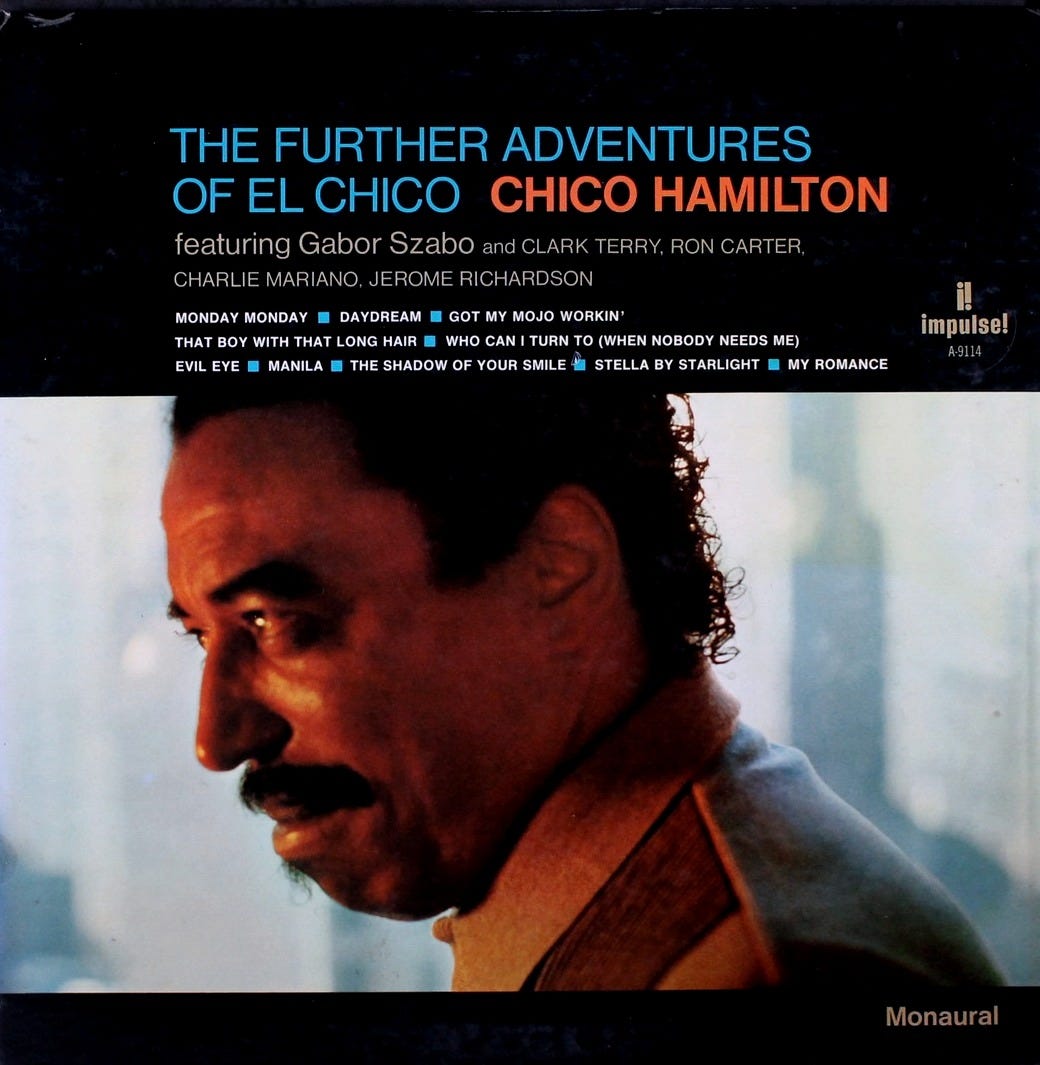
What was the most recent vinyl record you bought/found? What do you dig about it?
One of my recent finds was The Further Adventures of El Chico by Chico Hamilton. I collect Chico’s records without thinking, I’ve never heard a bad one from him, and this album is no exception. At times it feels playful, at times mysterious, and in places quite tense. Gábor Szabó’s guitar playing is just beautiful.
Is there an album, song, or artist fans of your music would be surprised you’re into?
It’s hard for me to say what might surprise people, since I’m not really sure how closely anyone follows my listening habits. But I guess albums like You’ve Come a Long Way, Baby and Halfway Between the Gutter and the Stars by Fatboy Slim.
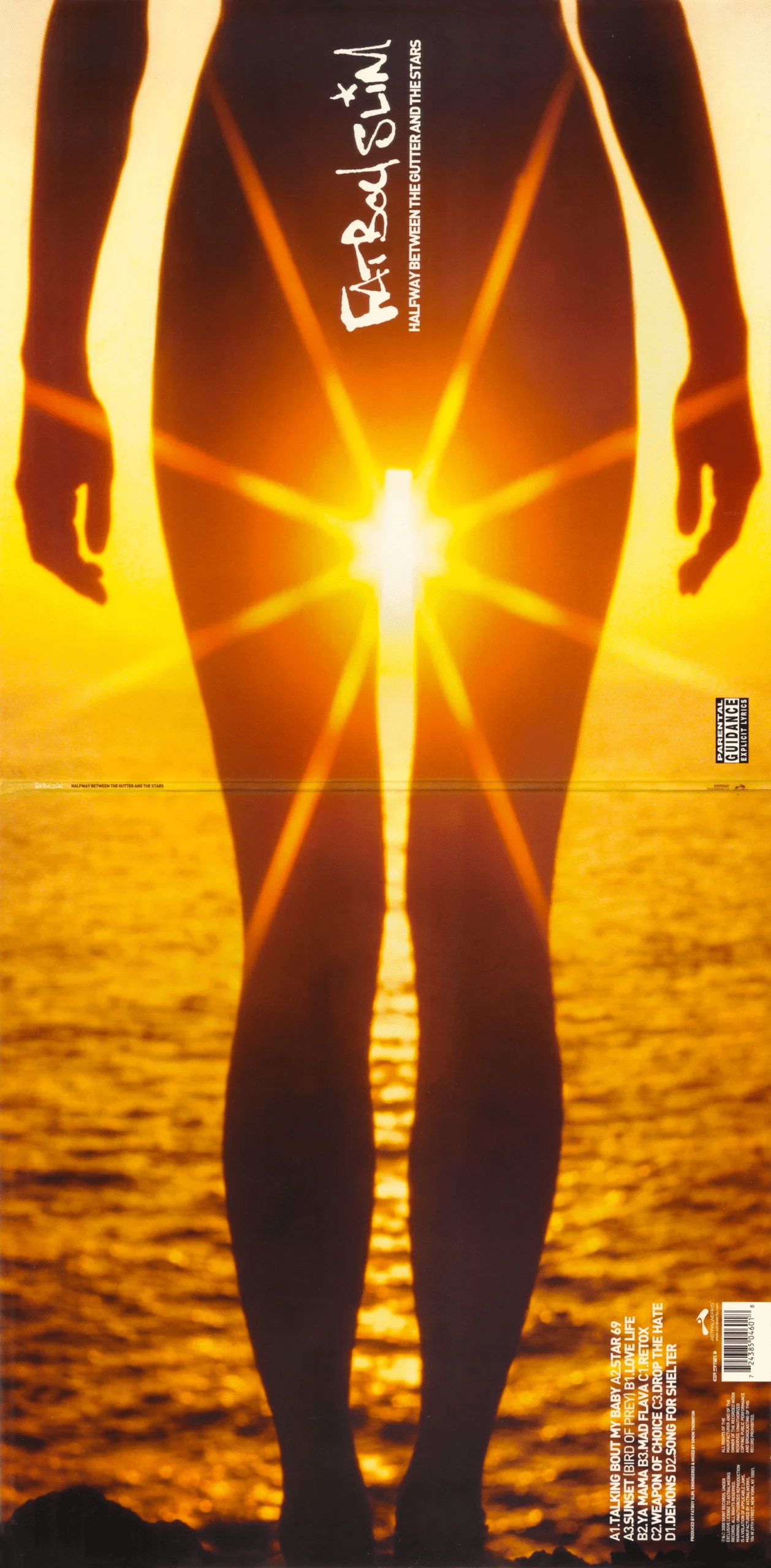
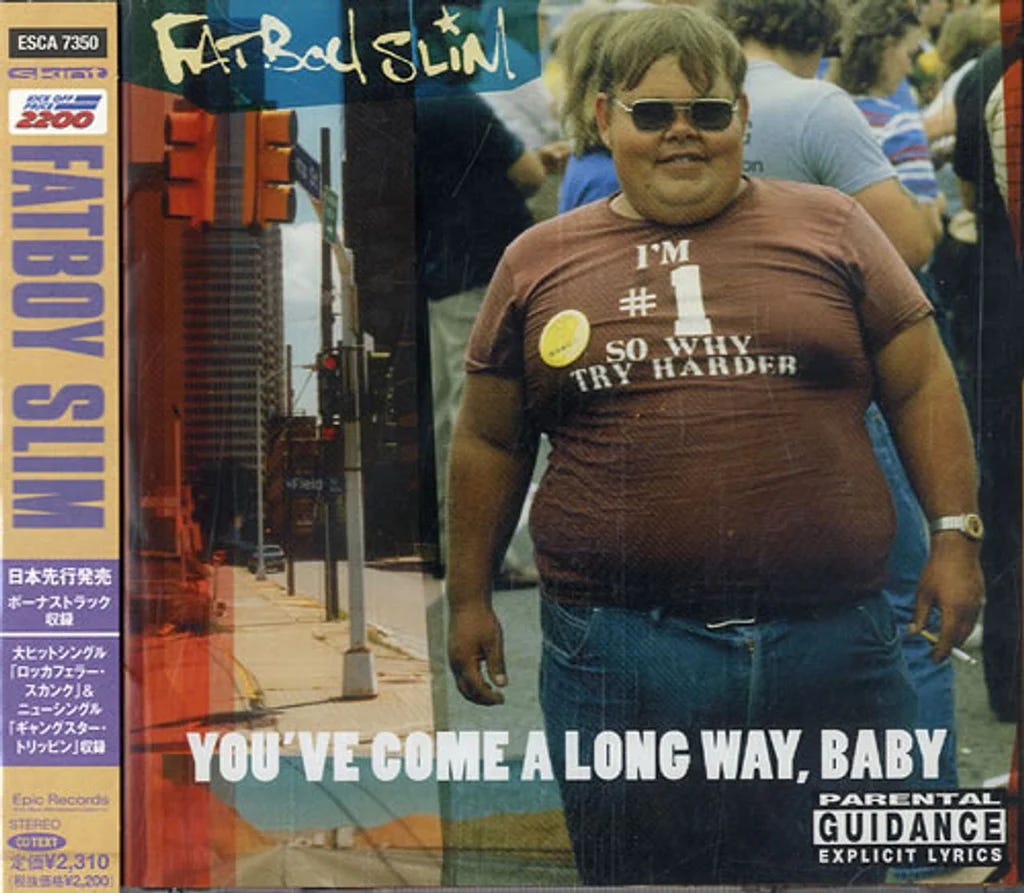
I remember those records completely blew my mind at the time. They probably also shaped the way I hear and think about repetition in music. In a way, it became a kind of springboard that led me, years later, to Steve Reich and Terry Riley, strange as that may sound.
Are there any artists you consistently go back to for inspiration when you’re trying to record a new album?
I don’t really have specific artists who constantly inspire me when I’m making music. I get energized by listening to good music and sometimes it’s one thing, other times it’s something completely different.
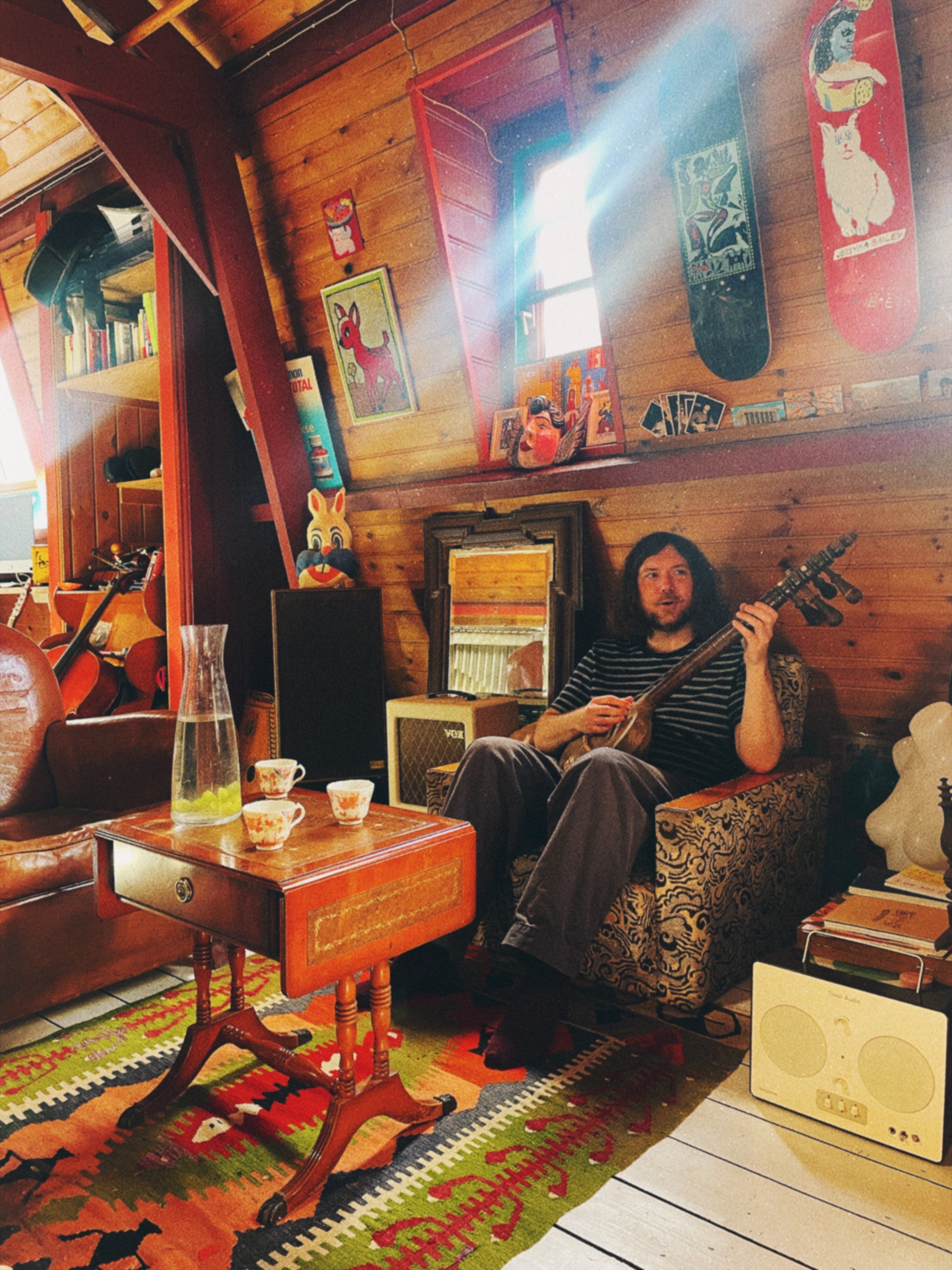
As a listener, I’m constantly surprised by the direction your songs take me. Do you ever surprise yourself when you’re in the studio or jamming or writing new music?
Every composition feels like a surprise to me. I often leave a lot of room for chance, sometimes starting with whatever I happen to have around me that day.
If my music stops surprising me, it stops being fun. The final result almost never sounds the way I originally imagined it and that’s a great thing.
You’ve put out over 20 records in the past decade. Some of them are under your own name, but others are in collaboration with other musicians, film projects and bands. How important is the collaborative process to you when making, recording, and playing original music?
I really love collaborations, because another musician can bring in an unexpected idea, a new texture, and like I said earlier, surprise. And I love that.
But of course, it usually happens under my direction, because if there’s too much freedom, the music can easily drift into chaos and lose its sense of form and aesthetics. So everything has to be in balance. That said, I have to admit I’m very lucky to be surrounded by brilliant and talented musicians who truly know their instruments.
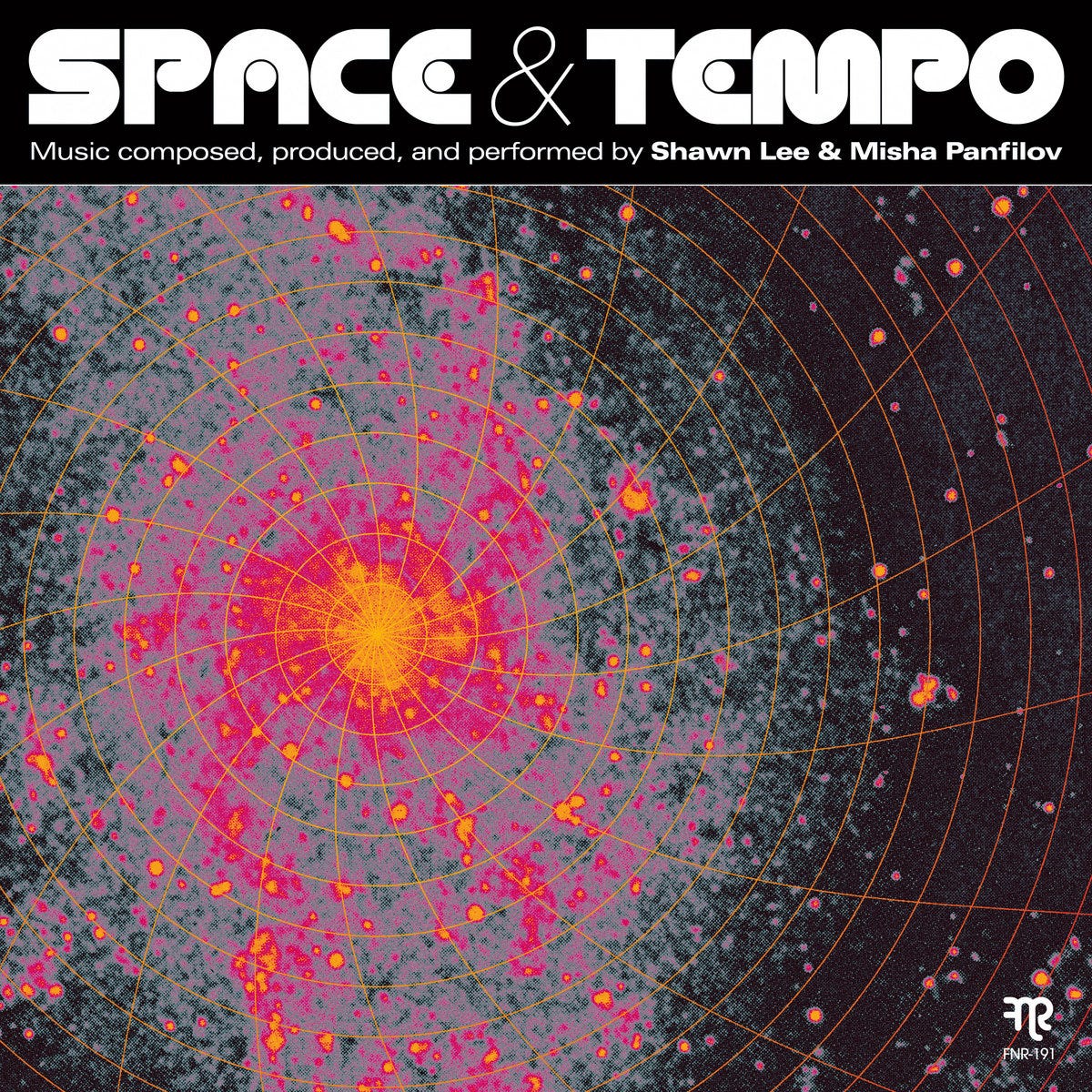
When we work as a true duo, like I did before with Shawn Lee or now with Toma Katsurada from Kikagaku Moyo, it becomes a fully shared process. We create the music together, with each of us taking on the roles of musician, composer, and arranger at the same time.
Your output reminds me of someone like Ty Segall who is always exploring new genres, styles and personas in his music. Do you value the trait of being “prolific” as an artist?
It’s important for me to stay active, but it happens very naturally. There’s something hard to explain that keeps pushing me forward. And the fact that some people actually listen to it feels like a real blessing. Ty is cool by the way.
I’m always amazed by the cover art on your original records. How collaborative is the design process? Do you work with visual artists directly?
I take album artwork very seriously. The cover is an essential part of the record. It’s something like a visual invitation to listen, an introduction, a kind of pictorial accompaniment to the music. Those two elements, music and artwork, are what make an album feel complete. I design certain covers myself, while others are done by different artists. I’ve been lucky to collaborate with many talented people around the world. Sometimes I come across an existing artwork and realize it already fits the album perfectly.


How does it feel to put out your own music on vinyl in this day and age? Is it something you’ve always dreamed of doing?
Releasing my own music on vinyl feels great. But beyond that, the whole process takes time, and there’s something beautiful about it.
You finish an album and then let it sit for a while, moving on to something else. Then, a few months later, it finally comes out into the world and in a way starts a new life. I find that very satisfying.
Have you ever played a show in the US? Do you plan on coming through anytime soon?
I haven’t played in the US yet, but I really hope to make it happen in the near future. I know there are people waiting for us in the States, and that’s very encouraging.
At the same time, visa issues and having many members in the band make it a bit tricky to pull off. But I’m sure we’ll make it soon!
A musical dream of yours used to be composing a film score. Now that you’ve done that multiple times, are there any other music-related dreams you wish to fulfill?
Of course, dreams are always there, and that’s a good thing. I just hope I’ll be able to keep making music for a while longer and create something interesting and meaningful, both for myself and for others. Hopefully that spark will stay with me for some time.
And like we mentioned earlier, of course it would be great to play in other parts of the world beyond Europe, places like the Americas or Asia.
Even though I definitely feel more at home in the studio, there’s so much magic in live performance that’s hard to find anywhere else.
Do you have any projects underway or planned for the near future we should know about?
Oh yes, this year is already a busy one. I’ve just finished an album with Tomo Katsurada, and there’s another collaboration coming later this year with Volodja Brodsky, moving somewhere between folk and ambient music.
There are also a few reissues of my earlier albums coming up, including Repetitive Music Vol. 1, as well as the collaborative album I recorded with Shawn Lee back in 2020. As usual, there will also be a new annual release from Penza Penza, which gives me a chance to try something completely different production-wise.
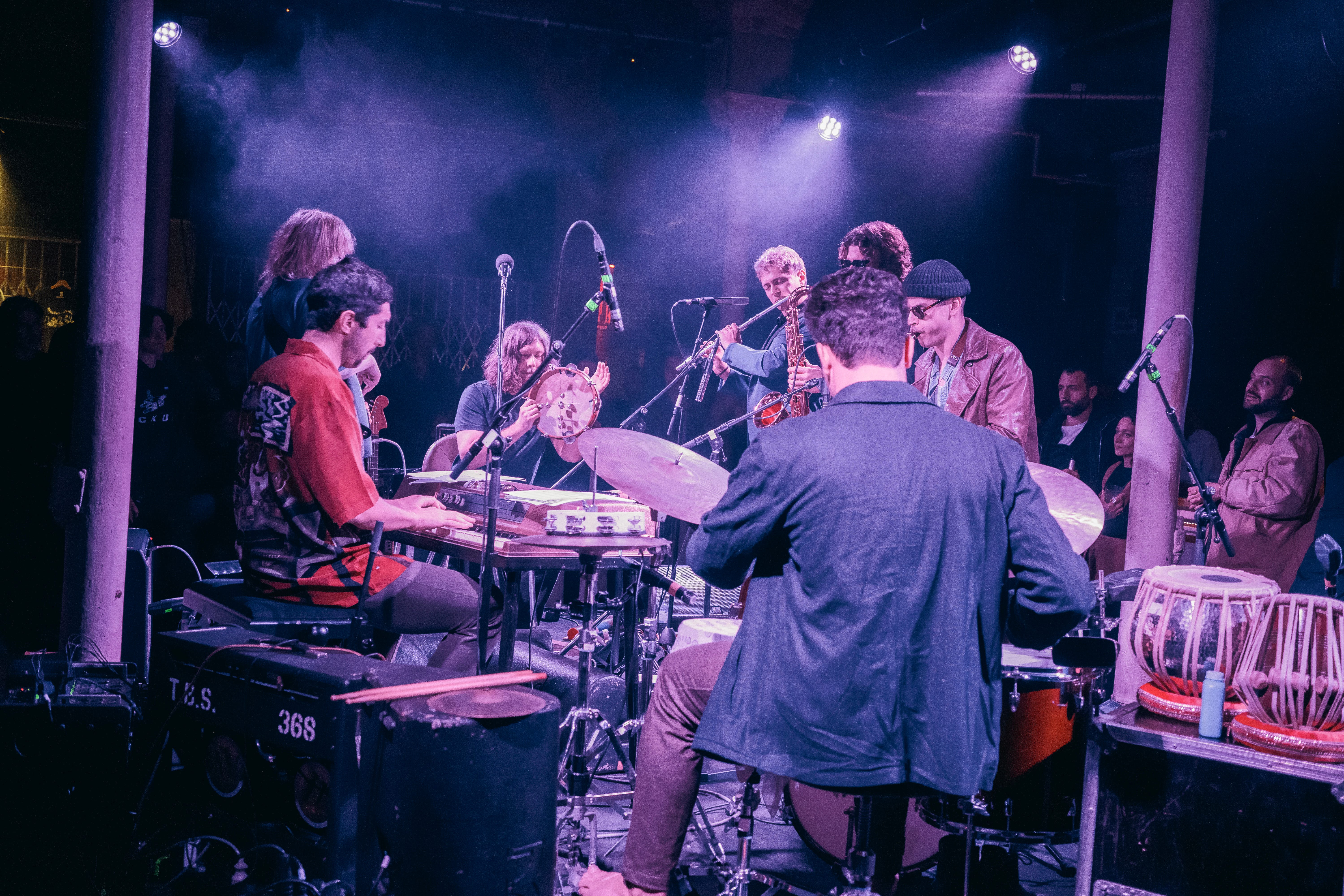
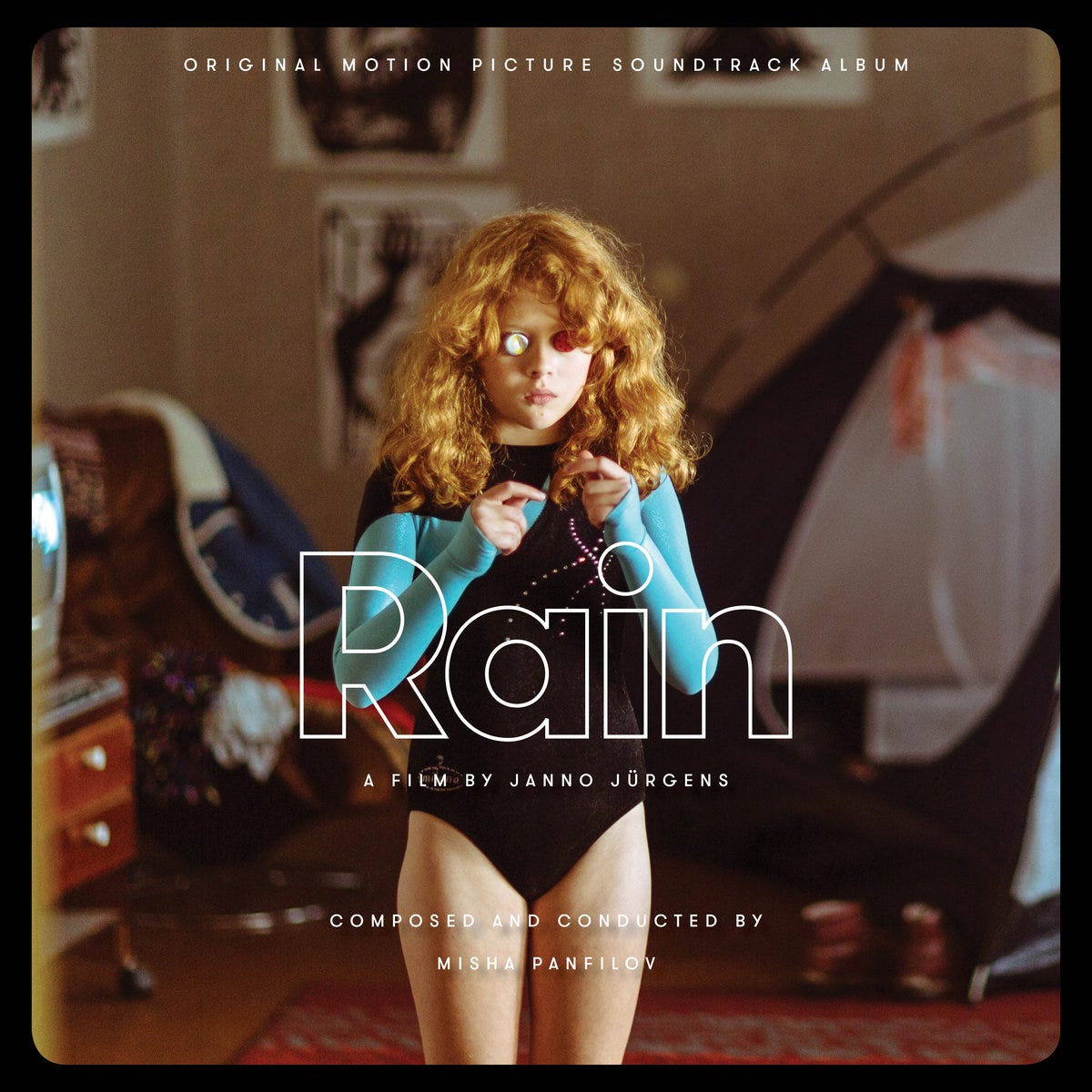
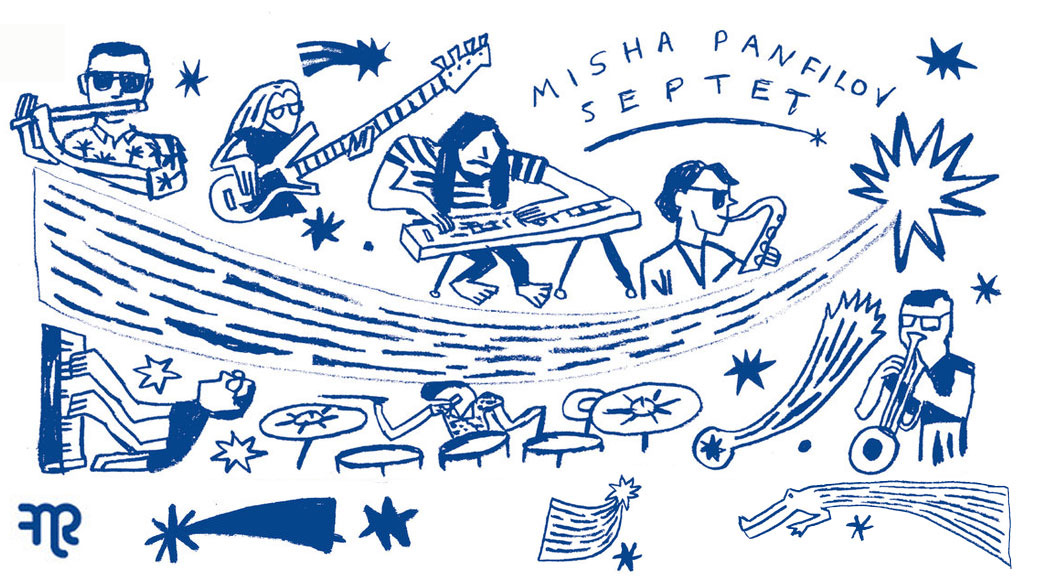
On top of that, I’m currently working on a jazz album where I want to combine repetitive music with jazz rhythms and elements of improvisation. I’ve also been composing a soundtrack for an American indie film and there’s a live album by my septet coming out, recorded in several cities across Germany last year.
Of course, all of this took many months to produce. It just happens that everything is finally coming out this year. But I’m sure people will still think I don’t sleep and release a new album every Friday. And Saturday too.
As a Phish fan, I am fortunate to learn about new-to-me music through the walk-in and setbreak music they play at their live shows. Much of it is classic Funk, Reggae, Afrobeat and Jazz. But the last few years, we've been getting a whole lot of Misha Panfilov. I wonder if he has any idea that he's got a following amongst american jamband fans. I love everything of his that I've heard and constantly recommend his music to friends.