


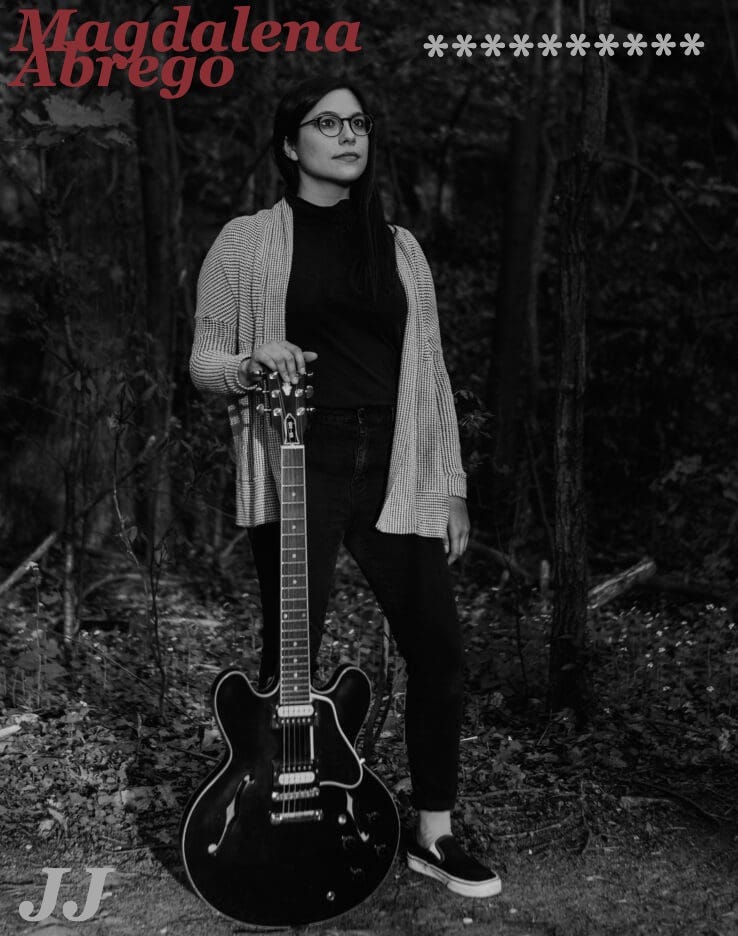
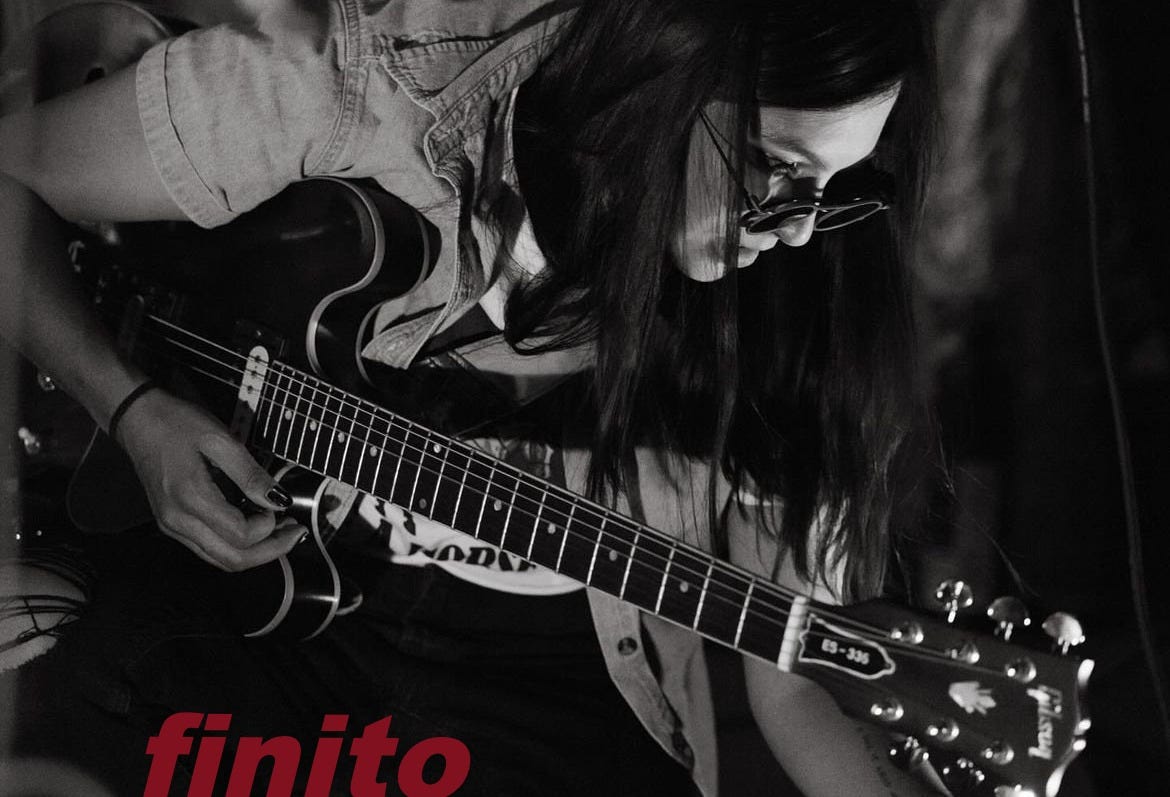
Magdalena Abrego is known for her otherworldly guitar tones. Which shouldn’t surprise anyone. As a horror-loving punk-rocker steeped in the heady traditions of jazz performance, Magdalena naturally embraces a boundless, evocative and lethally curious approach to music-making.
For a taste of her sound, just pull up Greatest Hits, the debut album by Deerlady, a gritty, poignant rock outfit with Magdalena on electric guitar and Mali Obamsawin on lead vocals and bass. Together, both artists embrace their ancestral legacies under the complex and brutal history of colonialism, producing a stellar record, as well as an original score for the beautifully haunting Oscar-nominated documentary Sugarcane.
Which is what I couldn’t wait to speak with Magdalena about: film scores.
Specifically in the realm of horror — a genre I can just barely handle (depending on the movie). Thankfully for me, the two of us focused on the sound of horror, not the gore, the exorcisms, the distorted faces, the torture, the spooky spells or the bone-chilling jump-scares.
But what makes those jump-scares truly pop? What makes a stalker’s impending kill feel so unbearable to watch? What makes your heart race?
So many of our reactions to what’s playing out on screen depend on the application of sound, and music. No matter the genre.
Over cocktails and a pile of horror-specific vinyl, Magdalena and I settled into a cozy bar in Brooklyn to chat about groundbreaking horror scores; the composers — old and new — who define the sound of fear; an instrument deemed “The Nightmare Machine,” and so much more.
Please enjoy.
Or, as Alfred Hitchcock — the King of Horror — once said, “it’s mood music in a jugular vein, and I hope you like it.”
What do you look for in a fantastic film score?
I love hearing sounds and not being able to identify the source.
That’s interesting, because I’ve read that feedback about your band Deerlady and your live performance on KEXP. Some people couldn’t tell what sounds were coming from which instrument, despite you being a guitar, bass and drum trio.
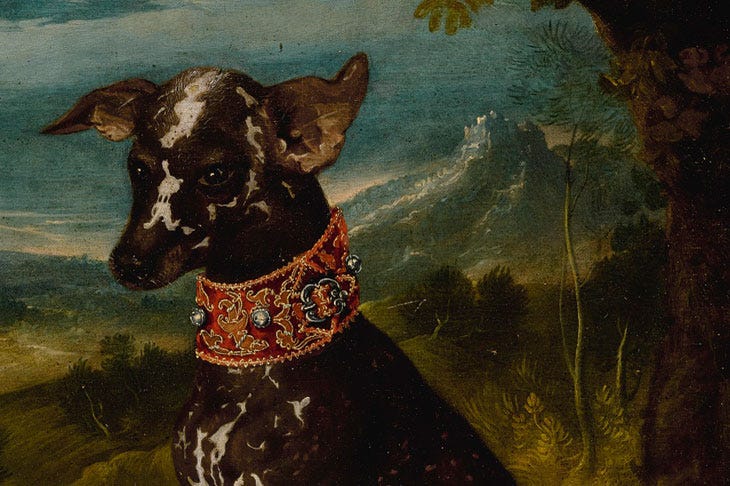
That’s something that’s at the core of my own work as well. I’m working on my first solo release, which I’ll be recording early next year. In a nod to Día de los Muertos season, the EP is going to be called Xolo, which is the name of a dog indigenous to Mexico that, in folklore, is our guardian to the afterlife. They are benevolent figures that guide us to the next world.
Like Hades?
Yes, and on the EP 90% of the sounds are coming from me, but it’s not all guitar. Even if it started on the guitar, it all shouldn’t sound like guitar. It’s been processed through electronic equipment.
Perfect for this spooky season.
Yeah!
I know you are heavily inspired by horror films. When did that start?
When I was a kid. Movies were very important to me and my family. I grew up with modest means and VHS tapes were an accessible form of entertainment. I was partially raised by my Puerto Rican grandmother — she was always watching Spanish-language media on the TV, but she had this little stack of VHS tapes that were in English; it was my uncle’s horror stash. My sister and I would pop these tapes in. Like Bram Stoker’s Dracula or Wes Craven’s The People Under The Stairs.
And you were immediately drawn to these disturbing films?
100%. I was like, “This is so sick.”
Did you get nightmares?
Definitely.
I still have trouble thinking about some of the horror movies I watched as a kid, especially The Ring.
Totally. But I love feeling scared in a somewhat controlled way. I’m not sure I could do something like a haunted house at this point. That was actually one of the first jobs I had as a teen, being a spooky jack-in-the-box clown who yelled at kids. I immediately lost my voice and the oil-based makeup made me break out like crazy. Worst gig in my fucking life.
We had something similar in my hometown, but it was in the forest.
Oh my god.
So when did the music within horror movies begin to spark your attention?
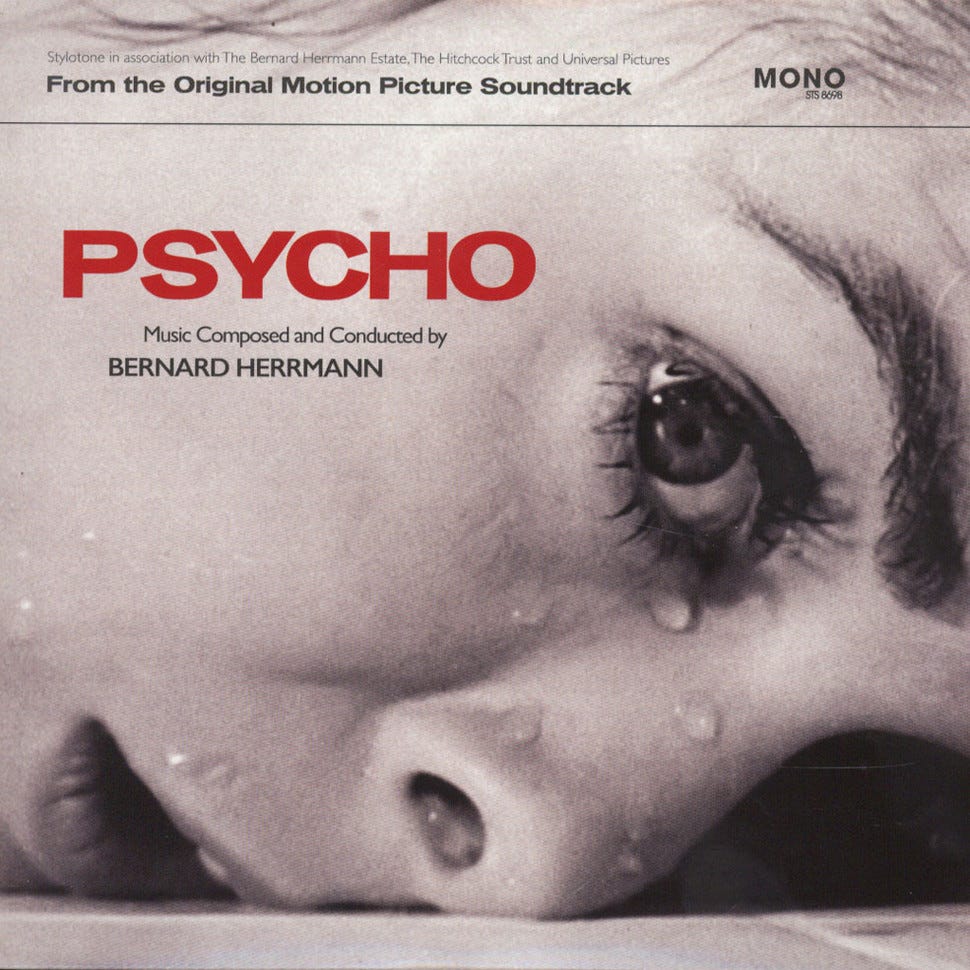
I didn’t really start to appreciate the music until I began working back through film history. As a little kid, I was watching a lot of 70s horror, because that was what my parents loved. Once my sister and I showed a proclivity for horror, my parents showed us their favorites. But I soon became quite obsessed with the genre and went all the way back to Hitchcock and his maestro Bernard Herrmann. I realized then that the sound of fear was actually composed by someone.
That’s a cool way to put it.
I forced myself to only bring 8 albums today, but one of them is Bernard Herrmann conducting the London Philharmonic Orchestra. In the liner notes, he talks about Psycho being the first horror film score to exclusively use strings. That creative decision was his response to the film being in black and white. The picture is limited by not using color, so he wanted to limit himself sonically. Apparently Hitchcock was very against there being any music at all during the shower scene, but Herrmann convinced him otherwise.
Incredible.
Another fun record I brought is Alfred Hitchcock’s Music To Be Murdered By. It’s a lot of jazz standards, but Hitchcock will interject between songs and say something like, “This next song is good for strangling someone to.”
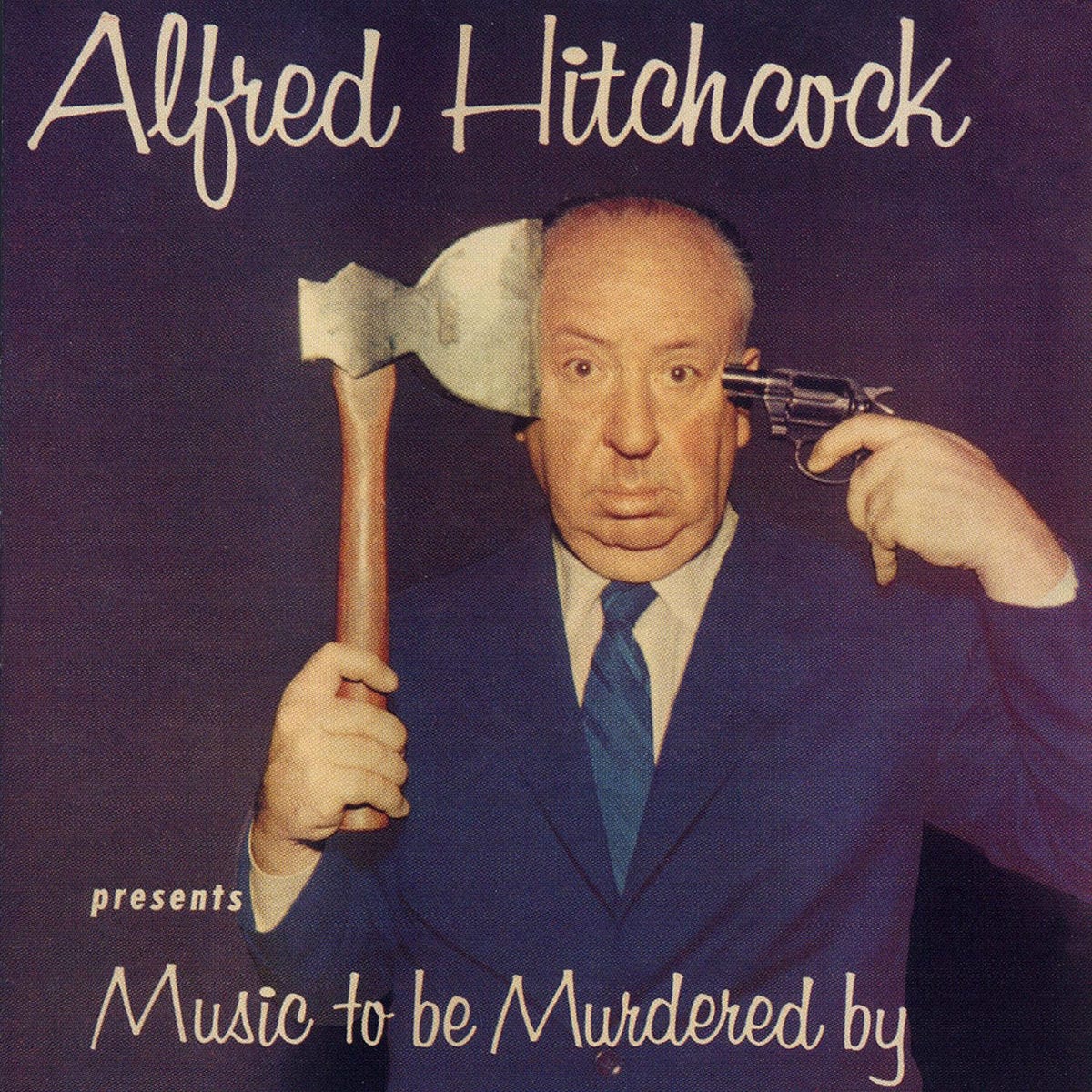
Did his interjections help you navigate which types of sounds you would want to apply to specific on-screen situations?
I’m consistently surprised by which sounds will illicit fear, or even a lack of sound. Which brings me to Mark Korven and his score for The Witch, which I also have here.
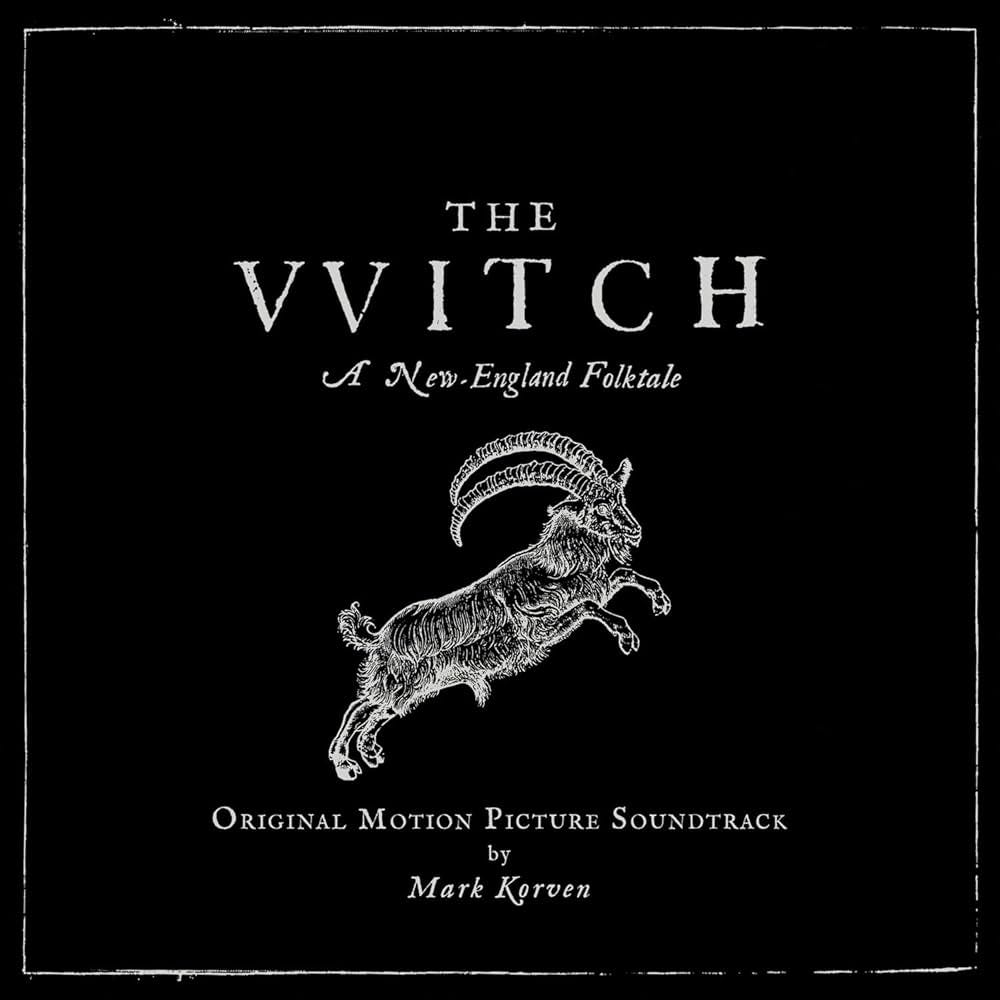
That is the horror movie that made me respect horror movies. It made me feel like I was immersed in a real historical experience.
I am a huge fan of Mark Korven. He’s done a lot of other horror films, like The First Omen, The Lighthouse, Black Phone, just to name a few. He’s this Canadian composer who started out as a guitar player and experimentalist and has since grown into a composer with a huge portfolio who creates his own instruments.
He builds them?
He commissions them. Including this one instrument he lovingly termed “The Nightmare Machine.”
The ultimate fear-inducer.
I feel like it’s just our perhaps-futile attempt at capturing fear in the form of sound, which I find to be a super fun thing to devote your life to. Which apparently is what Mark Korven has done.

When you think of creating fear-inducing music, what sounds come to mind?
On one hand, there’s the recorded history of horror scoring, like Bernard Herrmann’s high-anxiety, high-pitched orchestration. And then there’s the experimental use of non-instrumental sound. Like sampling a real heartbeat, which they do in the film Longlegs. I like when sound design and composition are blurred. Personally, that’s what I think makes a great horror score. Something that is both referential to this robust canon, but is also a reflection of the physiological experience of being afraid, which has its own sounds attached to it.
Music that becomes visceral in a way that mirrors the sounds your body is naturally producing.
Exactly.
How does timing play into a striking horror score?
Timing is everything. I always think of horror and comedy to be two sides of the same coin, because they’re both genres that rely on timing. It’s all about tension and release, just like music.
When you were a kid watching horror movies, you might not have been conscious of all of these sonic ingredients, but you were probably reacting and storing them away.
I think it informed young Magdalena. But like any movie score, it wasn’t the focus. That’s also key; you want to compliment the picture.
Do you believe that?
I think so, yeah.
I’m asking because I just interviewed another cult/horror film-obsessed live film scorer, Dave “Smoota” Smith, and he wants to see modern day film scores take more risks. He thinks people are being too safe these days.
That’s probably true for most forms of commercial art-making in general. Most horror films are an extension of Hollywood, which is a capitalist machine, so there’s that.
But what do you think about the give and take between a film’s score and its visuals.
I think that’s the perfect phrase: it’s a give and take. At the end of the day, it’s also still a job in service of a project and a person — a director, or in the case of a podcast, the creator or show-runner. So it’s a balance. And sometimes you end up with stuff you don’t love that gets published, and that’s just life.
I guess that’s true for any creative job when someone else is paying you. So what else do you have in your magical bag of records?
Probably one of my favorite scores is for Hereditary. This score is by Colin Stetson, who has since done a lot of scores for other films like The Menu and Texas Chainsaw Massacre. And this is an interesting one, because Ari Aster wrote the script for the film while listening to Colin Stetson’s previous music. He only ended up asking Colin to score his film when it was going into production.
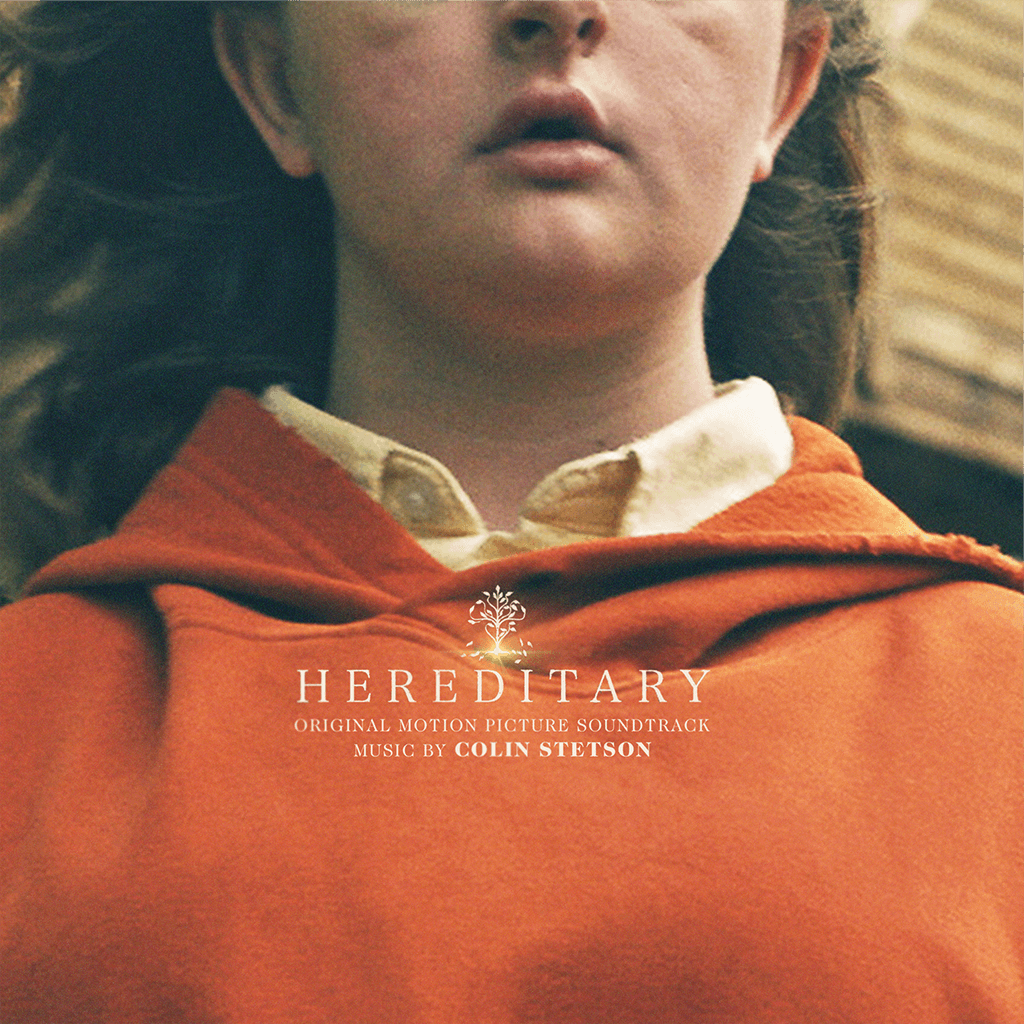
Wow, I had no idea. So the movie was actually written around this artist’s sonic palette?
It’s crazy to me, I think it’s brilliant, and a musician’s dream.
Do you know anything else about the collaborative relationship between Aster and Korven?
I don’t, and I’d be super curious to know to what extent Ari Aster was asking for specifics, or letting Colin drive the collab.
When you pulled the Hereditary vinyl out of its sleeve, I was expecting the girl’s decapitated head to be on it…
I wish! I love a creative vinyl packaging.
I have a record with an image of John Lennon’s face pressed to both sides of the vinyl. I think it’s the last interview he did before he died.
It always feels really exciting when you put vinyl on and something that isn’t music plays. Which is actually a good segue for this record Seance! by Zabrecky. I was in Chicago and decided to buy vinyl I had never heard before and I was super drawn to this cover. It’s a love letter to old 1960s/70s occult records that would guide listeners through an experience. The A-side is a guided seance and the B-side is a piece of his original electronic music. Inside the record he also includes a list of folks who were related to spiritualism at the turn of the century.
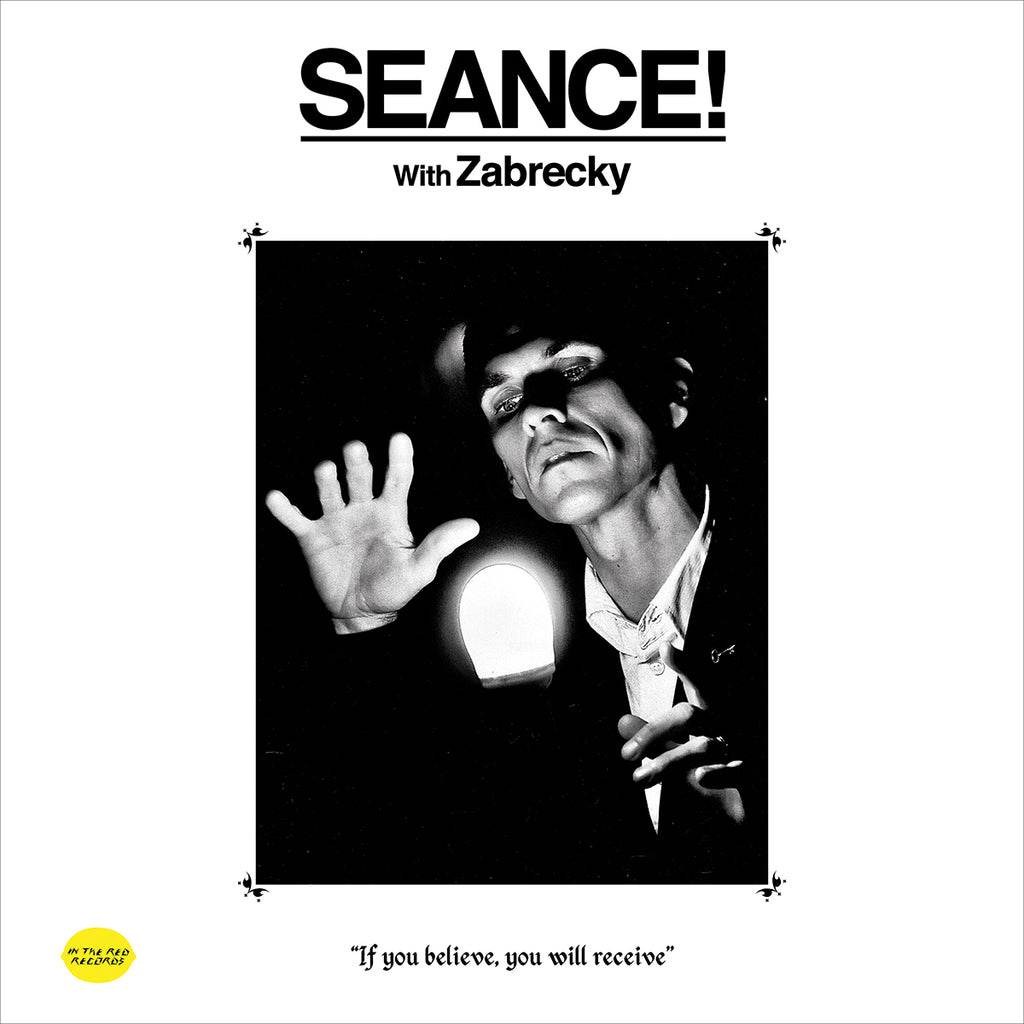
That’s incredible. And on glow-in-the-dark vinyl? So you can see it during the seance? Unreal.
I know, it’s a really good listen. Another one of my all-time favorite scores is for Under The Skin, a sci-fi alien film starring Scarlett Johansson. The score is by Mica Levi, who has gone on to do scores for award-winning films like The Zone Of Interest.
I’m curious what your thoughts are on the audience impact of scores versus soundtracks. Specifically with horror.
Well, sometimes films can have the power to re-contextualize a song in a way that’s super powerful. I think a significant part of my personality is entirely based on the PlayStation 1 Tony Hawk Pro Skater soundtrack, which I just got on cassette by the way. It’s so nostalgic for me.
Those games always had the best soundtracks.
For sure. And here’s a score from the master himself, John Carpenter. He has this new series called Lost Themes, and this one is the noir chapter featuring his son, who plays guitar. These are all songs of Carpenter’s that never ended up in a film.
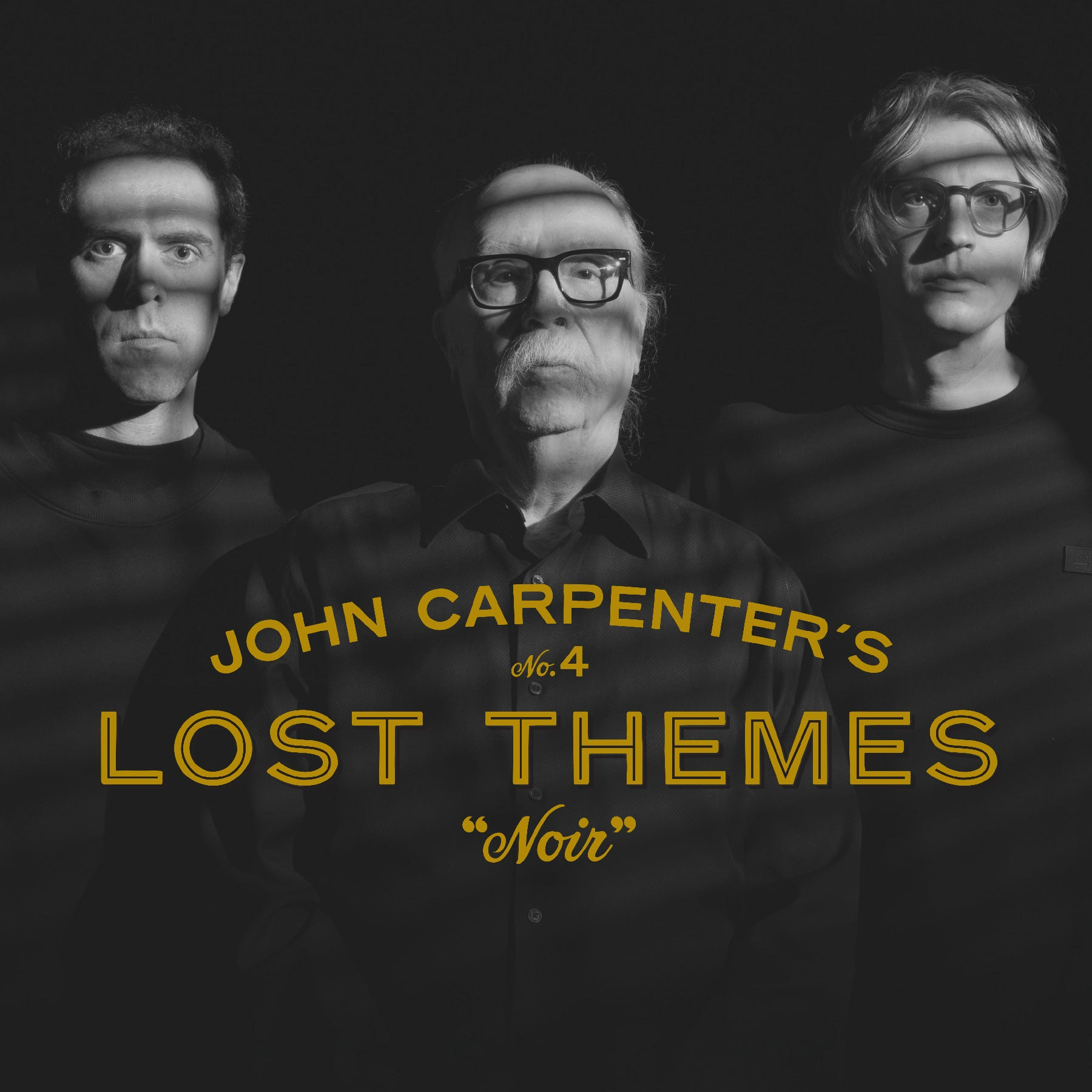
I just watched Assault On Precinct 13 for the first time and Carpenter’s music blew me away.
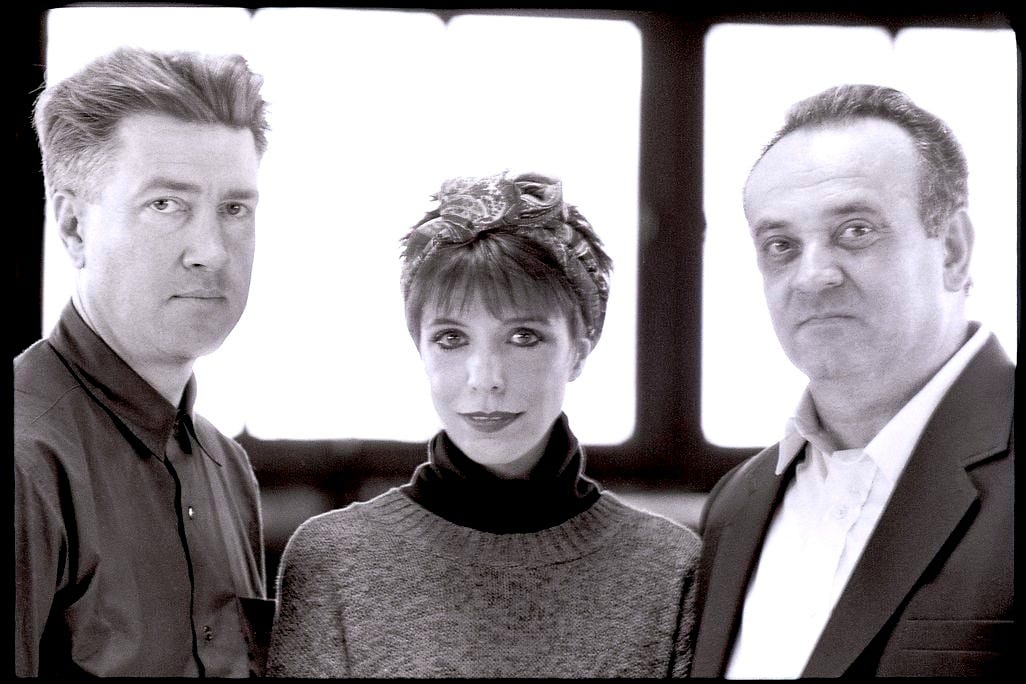
Totally, he’s a legend. I have one last record, and no conversation on scores would be complete without it. Twin Peaks. Angelo Badalamenti, who scored David Lynch’s show, is so hugely influential on me. I’m actually in a Twin Peaks cover band and we play the score at shows. We take over Crystal Ballroom in Somerville, Massachusetts once a year and throw this giant party.
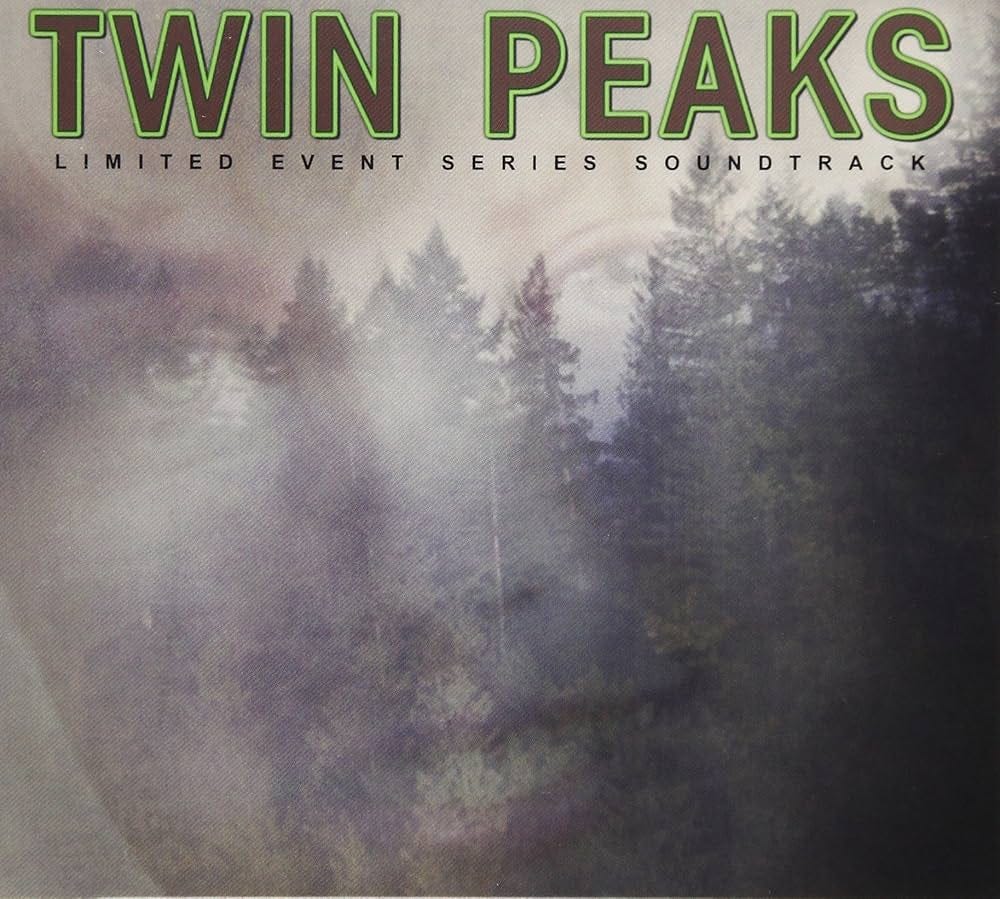
I love the female vocalist on here.
Julee Cruise? Yeah, our band name is actually Julee Cruise Director. And check out this bright green marbled vinyl. This is the record they released when Twin Peaks came back for a third season on Starz.
If there was an existing horror film that you could re-score, what would it be?
One horror film that I love is Possession, and the score is not my favorite part of the film. It’s early 80s, directed by Andrzej Żuławski.
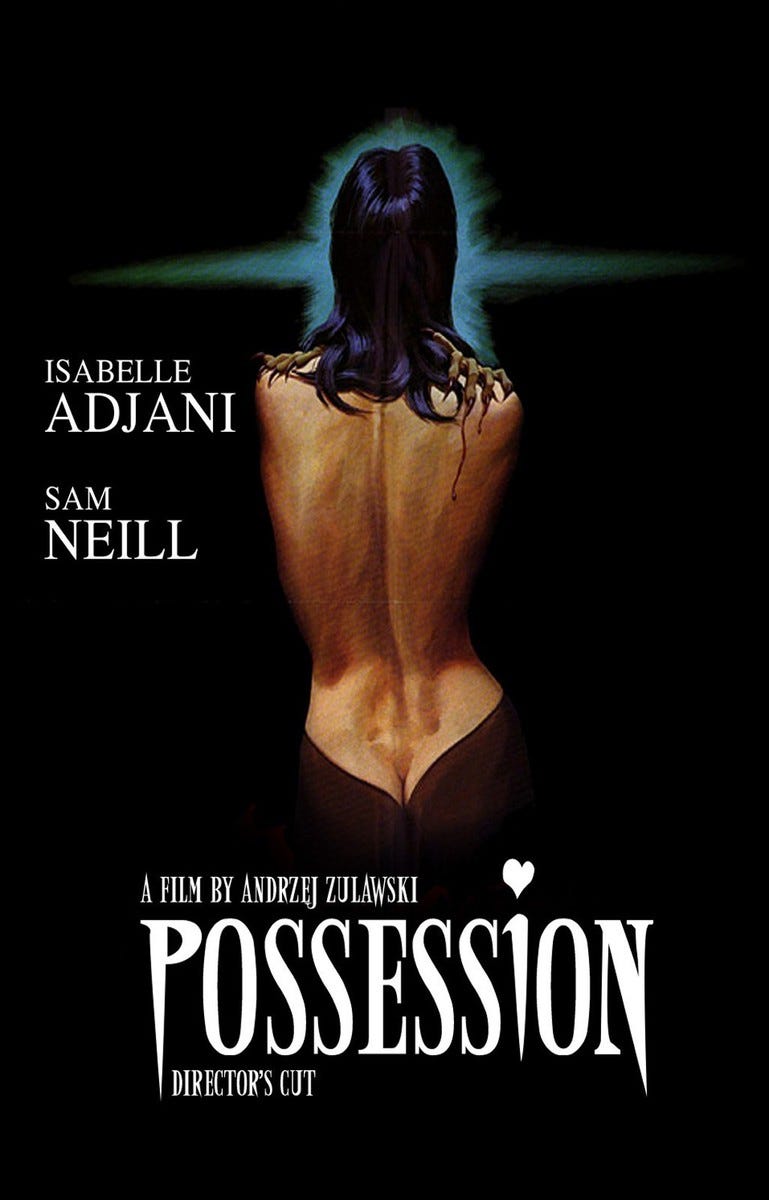
When you think of re-scoring Possession, what comes to mind?
The cinematography of the film. The camera is so unsettled. It’s always too close or too far, or it’s looking away at what feels like the wrong times. So how do you match that frenzied feeling? It would be a welcome challenge.
Here’s a list of the vinyl film scores Magdalena mentions above:
Music From The Great Movie Thrillers, Bernard Herrmann & The London Philharmonic Orchestra
Music To Be Murdered By, Alfred Hitchcock and Assorted Artists
The Witch, Mark Korven
Hereditary, Colin Stetson
Seance!, Zabrecky
Under The Skin, Mica Levi
Lost Themes Vol. 4 Noir, John Carpenter
Twin Peaks: The Return Score Soundtrack, Various Artists
Stay tuned Magdalena’s solo record, Xolo, and if you’re in Brooklyn on October 30th, check out the live score performance of Sugarcane at Roulette. Happy Halloween!