For Luke and Elise Gasper, it started with memories. Rhinestone-studded suits and the freedom of being a child, uninhibited, running naked through the yard.
Like arroyo willow — small trees native to Half Moon Bay, where Luke and Elise dwell — Nudie Records provides sonic shelter and sustenance for a blooming bushel of emerging artists, vinyl records, cosmic cover art, creative collaborations, and intimate punchpack performances stretched out from sea to shining sea.
Over the past five years, this smalltime indie label has blossomed from a mixture of memory, urgency and passion into a living, breathing community. Honoring the vintage art of analog production, vinyl pressings, and recordings that sound alive, Nudie Records holds hallowed ground in the often-fruitless chaos of the modern day music industry.
I’m in awe of the Nudie artists I’ve seen play in New York. An epic live show at Desert 5 Spot with Old Lady and Patton Magee. Chris Lyons strumming at Jones Bar in Ridgewood, Queens. By the time I boarded the Nudie mothership via a trans-continental phone call, I was ready to speak to the creators and caretakers of the ever-evolving scene.
Mostly, I needed to see how the heck two married California folks with kids and full-time jobs stoked a thriving music scene across the country that somehow exists within a business overshadowed by streaming, AI, and major labels.
Please enjoy.
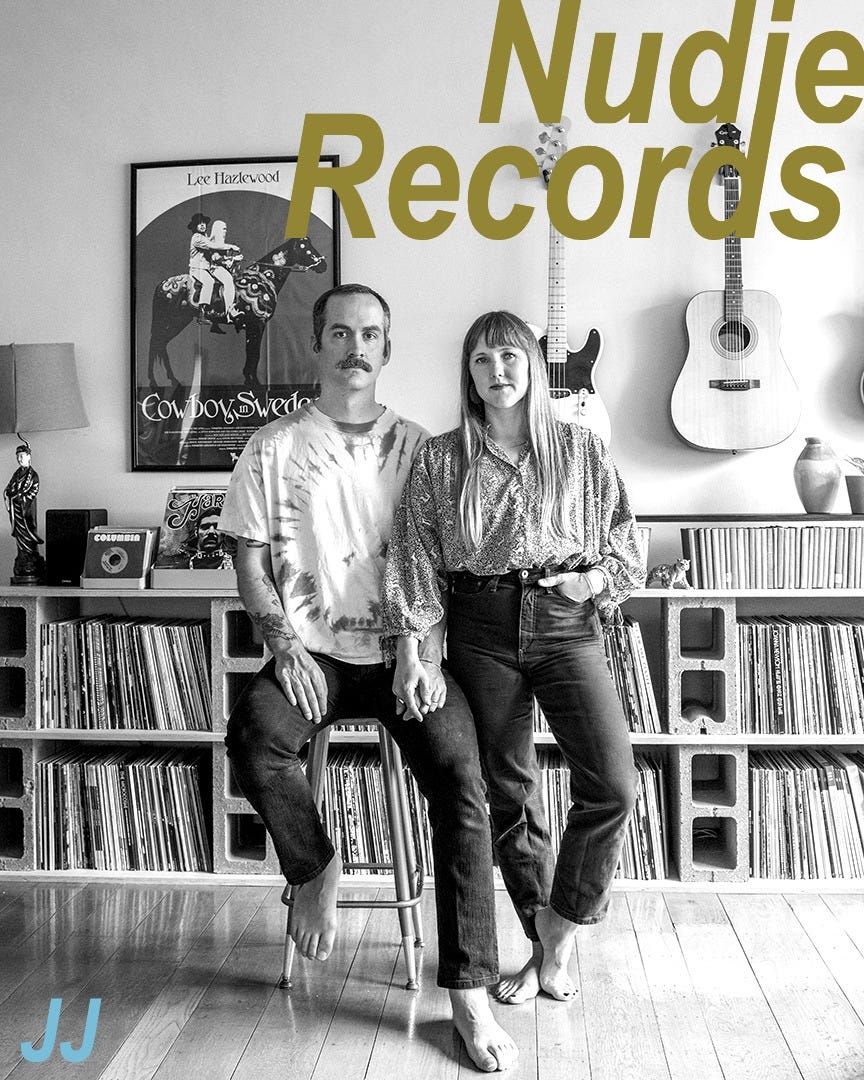
Where did the name, Nudie, come from?
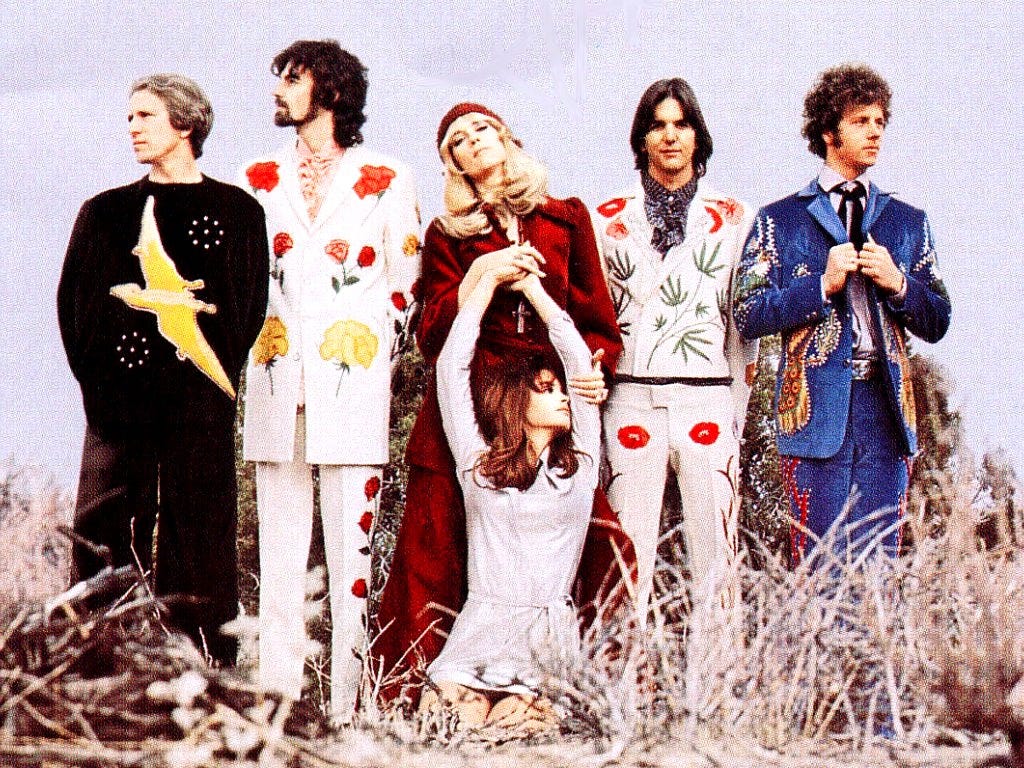
Luke: As country music fans, we were thinking about “nudie suits” — the classic rhinestone studded suits designed by Nudie Cohn.
Elise: Also, when I was a kid we used to call being naked “nudie,” and we wanted the label to feel very California, very natural world, and a little bit naughty.
It really aligns well with the artists you’ve signed; so many of them have a cutting tongue-in-cheek humor in their lyricism.
Elise: That’s the magic of naming something. We love saying, “The Nudie family” — it’s kinda funny. Plus it nods to an understanding of the history of psychedelic country music.
I was with some friends at your label’s show in Queens a few weeks back, I wished I had said what’s up.
Elise: Were you sitting in the corner booth near the window?
Yeah, there was a very dubious burrito on our table for the whole night and no one knew whose it was.
Luke: Oh, I ate it. When it got nice and cold.
Mmm delish. There were some great artists playing that night. How many folks are currently on Nudie Records?
Elise: About 20. At this point, we’ve done a number of second and third records with some bands. And despite being based in California, a lot of our artists are based in New York, New Jersey and Pennsylvania — it’s just how things spiderwebbed when we clicked into that scene.
Is there a specific “spider” at the center of this East Coast web?
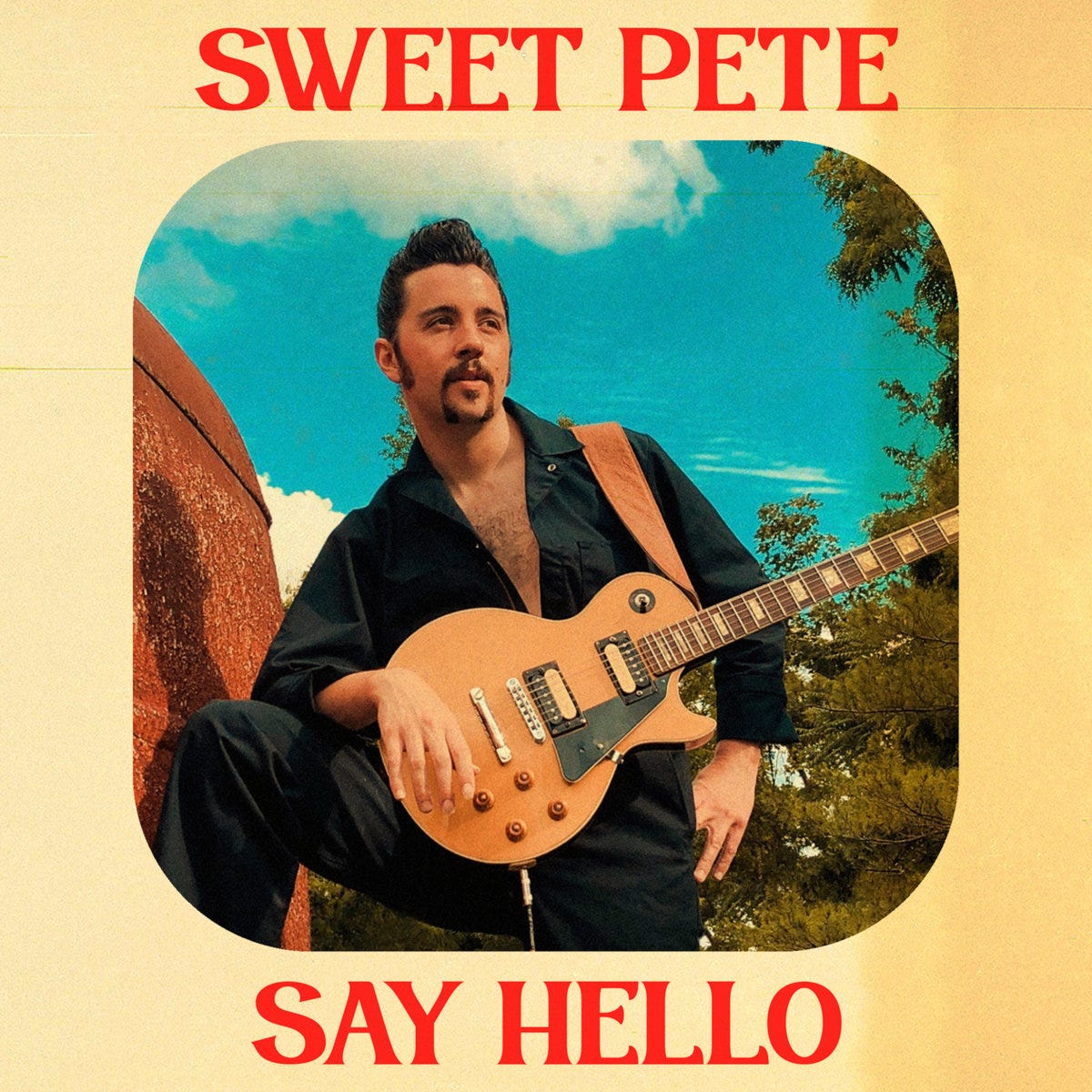
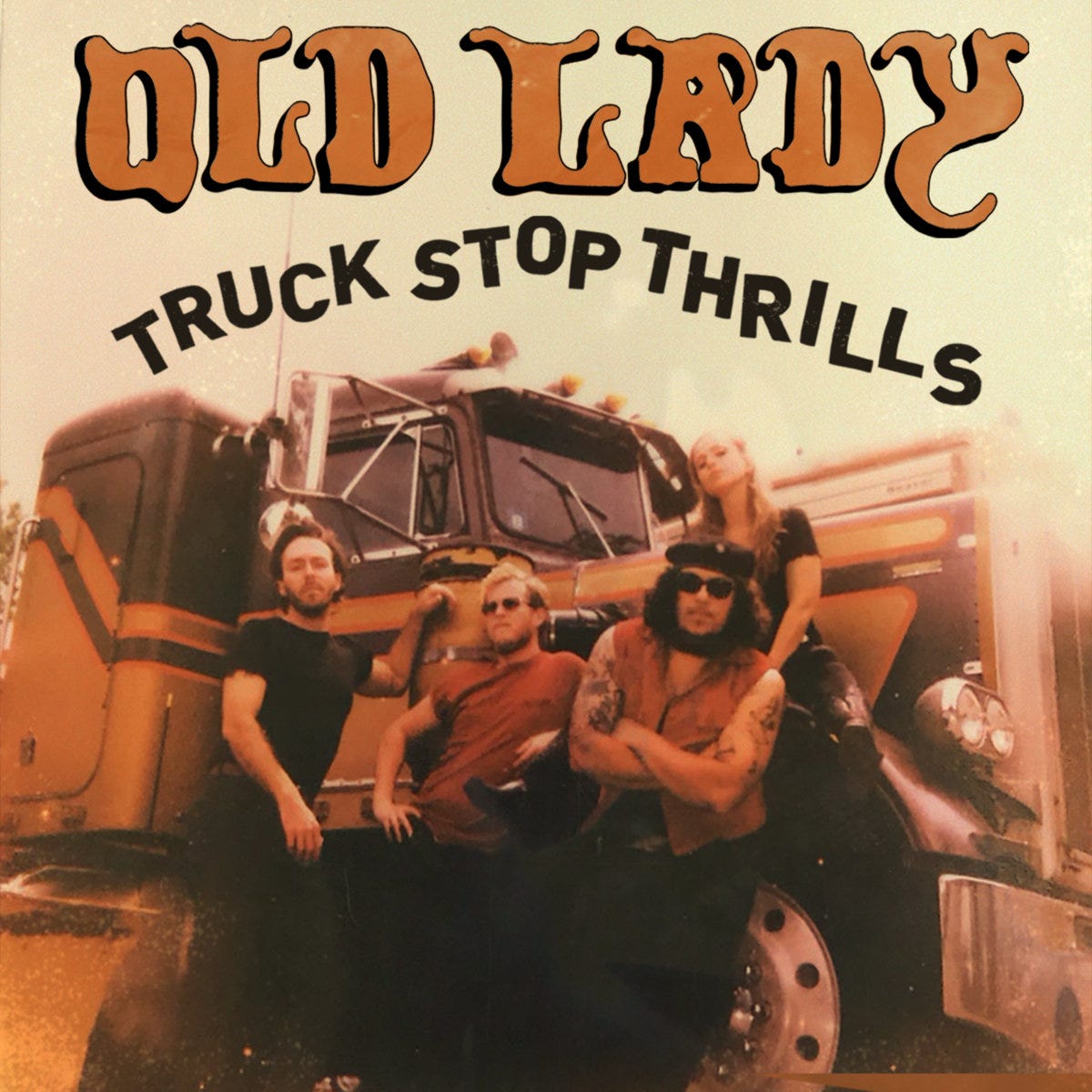
Elise: We originally got plugged in with Sweet Pete, who lives in New Jersey. And he introduced us to Hunter Davidsohn, who plays with Old Lady and works with a bunch of East Coast bands. Hunter’s become our secret weapon.
Luke: Most of the records we’ve released this year came from Hunter’s studio in upstate New York. He’s running the factory.
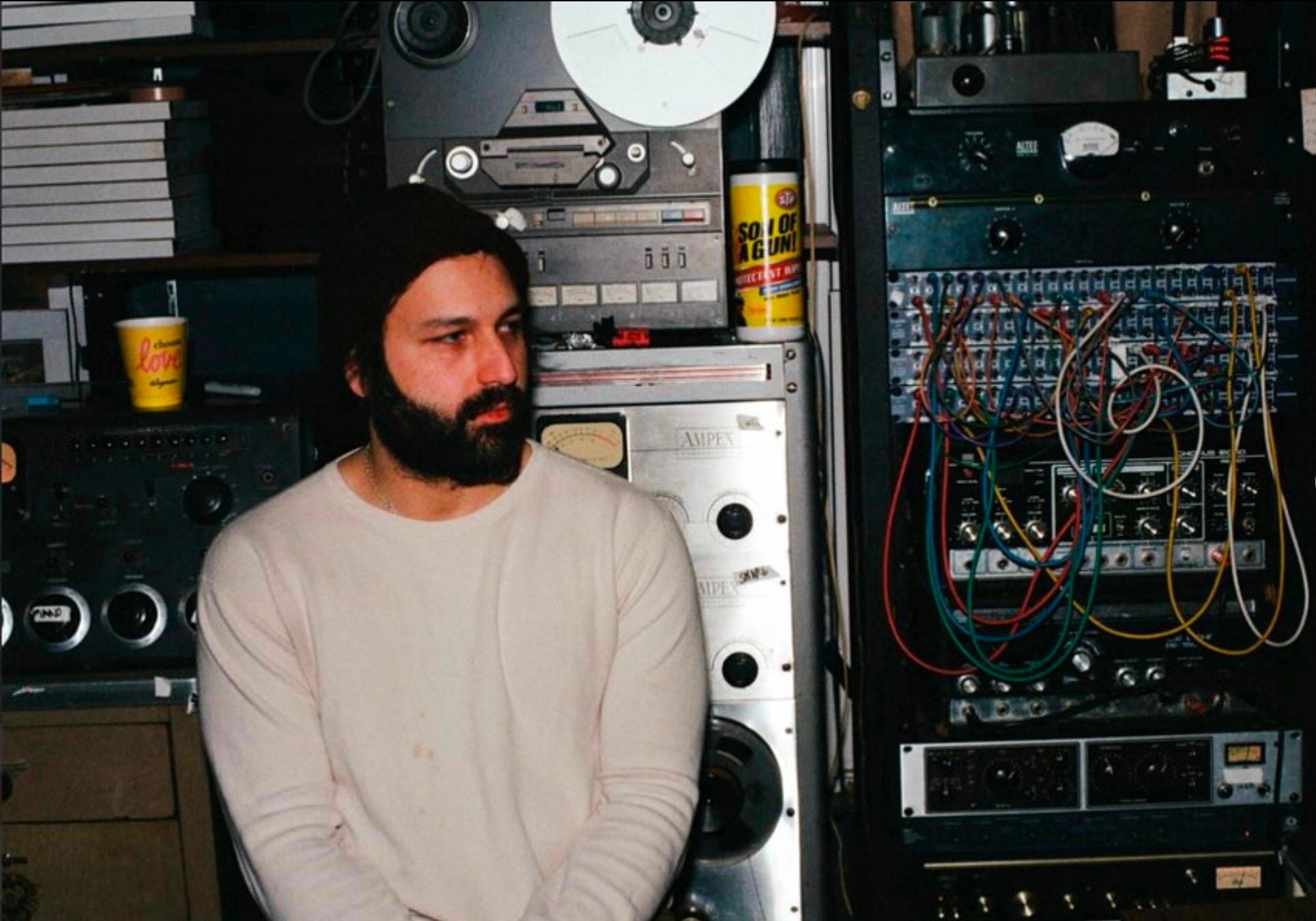
That’s incredible. I remember Old Lady describing the magic of his studio.
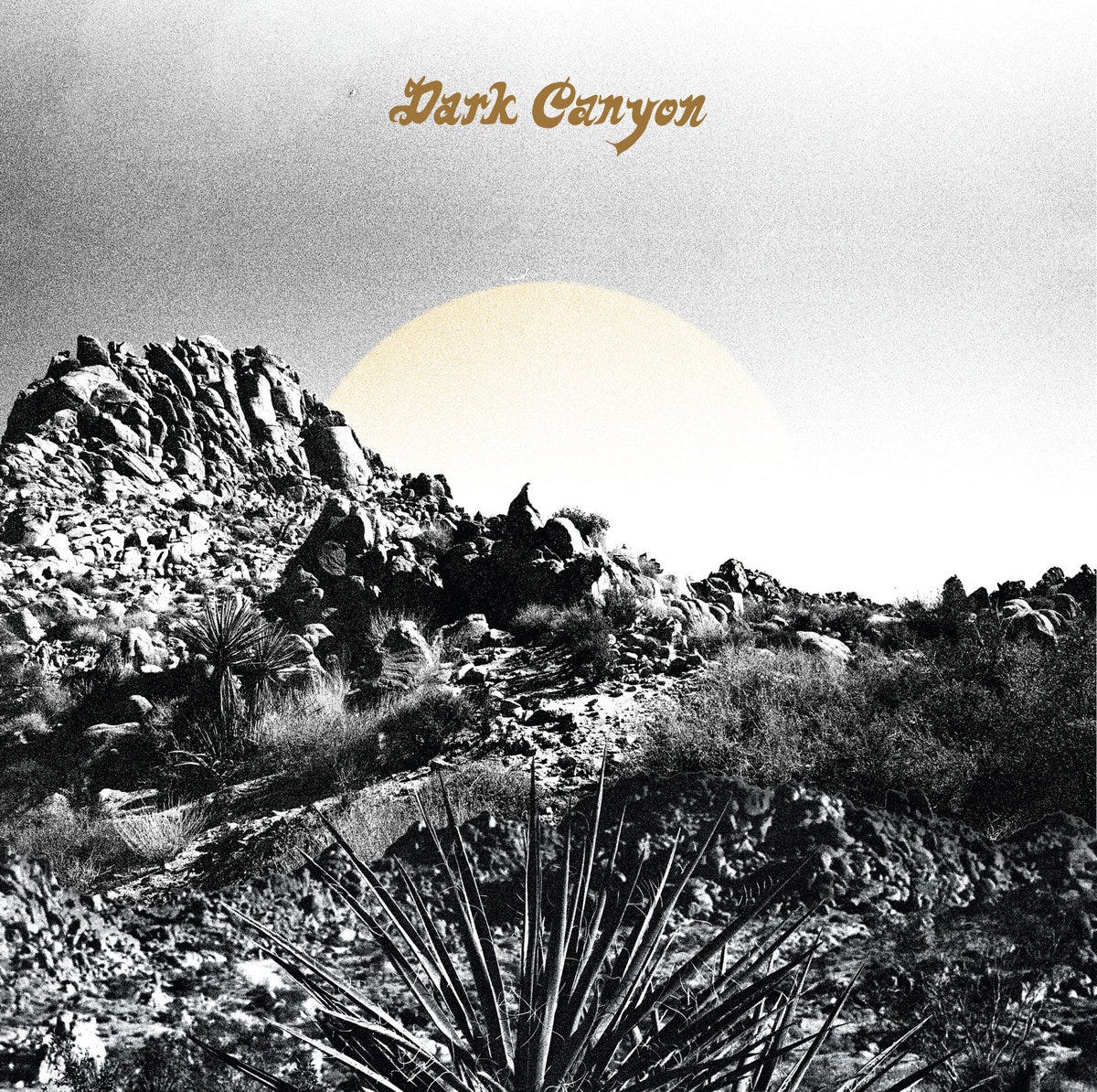
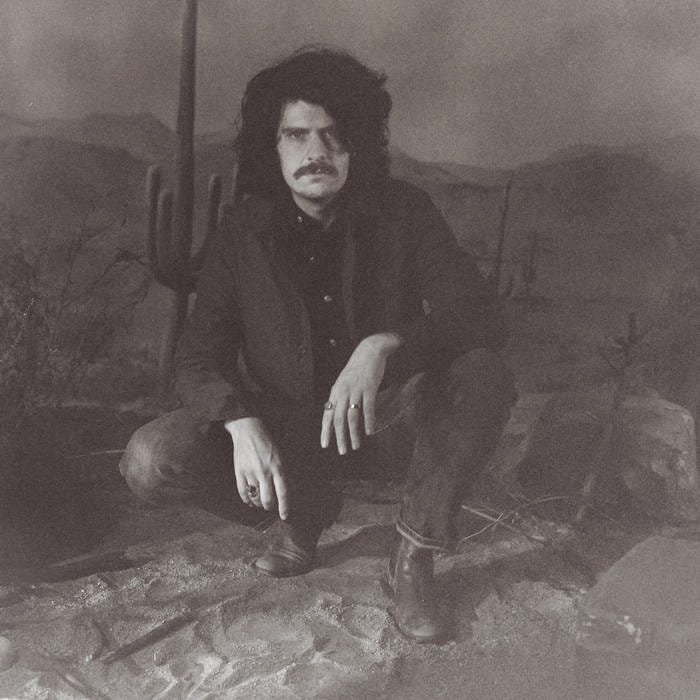
Elise: We also had another kismet moment with an artist out of Chicago named Mike Novak. He was shopping for a label under his project Dark Canyon, and the whole package he sent us was so beautiful. It became clear that this was the quality of what we wanted to be producing. The grandness and cinematic nature of the record really helped us define who we were early on.
Luke: Mike had spent five years making this spaghetti western opus with a full orchestra and choir. At the time, we were running Nudie out of our basement, and the Dark Canyon album blew us away.
Had you already envisioned the label having its own specific sound — in the cosmic country vein — or did that happen naturally?
Elise: It unfolded very naturally.
Luke: The first two records we put out were Mad Max Elliot, a good friend who does a one-man rockabilly thing, then I did a solo record that was psychedelic with a lot of synths and guitar shredding. After those two records came out, that’s when Sweet Pete came out of the woodwork with this country scene from Jersey and a single called “Bad Banana.” I told him we were more focused on putting out full albums, and a month later he comes back with a finished record.
So it sounds like rockabilly, americana, and psychedelic rock sounds were there from the start.
Elise: Yeah, these first records and sounds were totally unexpected but they hit on what we personally love. Everyone that we met in those early days — Sweet Pete, Mad Max Elliot, Dark Canyon, Old Lady — are still on the label. We consider them close friends now.
The timing must have been pretty ideal with the widespread emergence of country music in pop culture.
Elise: The timing was totally incredible. Like Old Lady had already been putting music out and playing shows for years and their influences are our favorite artists, so it was all pretty genuine the way things played out.
I’ve been blown away by the energy behind New York’s country scene. It’s both insular and welcoming, and with the whole dance ingredient baked in, New York has become an unlikely honky tonk city.
Elise: Country music never goes away completely. The musicality is there, the storytelling is there, plus the collaboration between artists and the reimagining of traditional songs. I just feel like it endures and has become an authentic salve to the AI-music streaming culture.
I’m curious about Nudie’s overall aesthetic; there’s a vintage quality to it — sonically, visually, even in terms of some of your artists’ overall vibes and lifestyles.
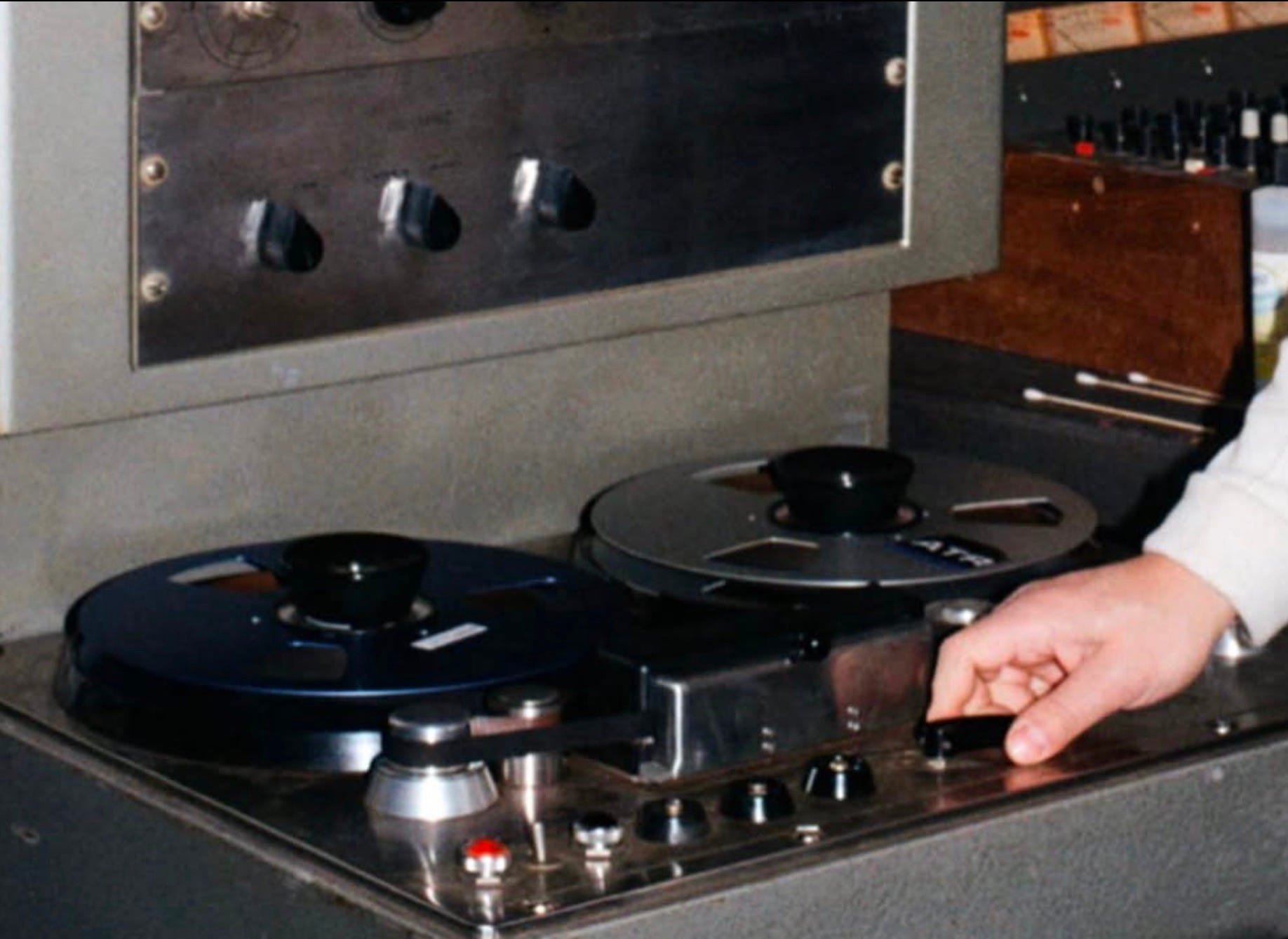
Luke: I’d say making vinyl records in this day and age gives off a vintage vibe from the get-go. But the vintage sound stems from the analog recording process that Hunter and Mike bring to the table, which is still sought after by bands as the pinnacle of sound. If you’re making a record, you want it to feel alive. Not like some sort of canned thing where everybody recorded their parts at different times. We want our records to sound like everyone is in a room playing together at the same time.
Elise: Aesthetically, we’re just following what we think looks cool. To find a community that thinks similarly has been incredibly validating. When Nudie goes out into the world and does pop-ups, we get kinda lost at record fairs, but we do really well at vintage fairs. More people will drift in and make purchases.
You’ve definitely captured the country sound out here in New York. Does Nudie have a similar presence in California?
Elise: There’s another side of the label for sure, which is more West Coast psychedelic. Out here, we’ve channeled a more Californian influence — a little hazier and dreamier, which softens some of the hardcore country vintage vibe output.
Do you have another secret weapon helping manifest that sound in California?
Elise: We have an excellent artist out here — Travesura — but he does a lot of his recording in Nashville. We’re in the Bay Area, and it’s been hard to find someone like Hunter. We’d love to manifest a Nudie Studios West. Somewhere we could host these producers we’re working with from all over the country. There is some special energy out here, and it’d be cool to see them tap into that in a next phase of the label.
I’m always fascinated by how producers lend their unique sound to artists.
Luke: I think that’s why a lot of people seek Hunter out. Not only can he get a great sound for your band, but he gives a lot of creative input into your process as well.
One thing that impressed me when I was interviewing Nudie artists for the first time was how collaborative they are with each other — with gigging and recording.
Luke: That’s one of the things we set out to harness when the label began to grow. Trying to build a creative community of artists within the label. We’ll send artists out from California to record with Hunter. But we don’t usually need to foster the relationships. Dark Canyon, for example, did a Lee Hazlewood cover song and had Hunter and Kaylee from Old Lady sing on it. It speaks to the community being built here; it feels more like a family.
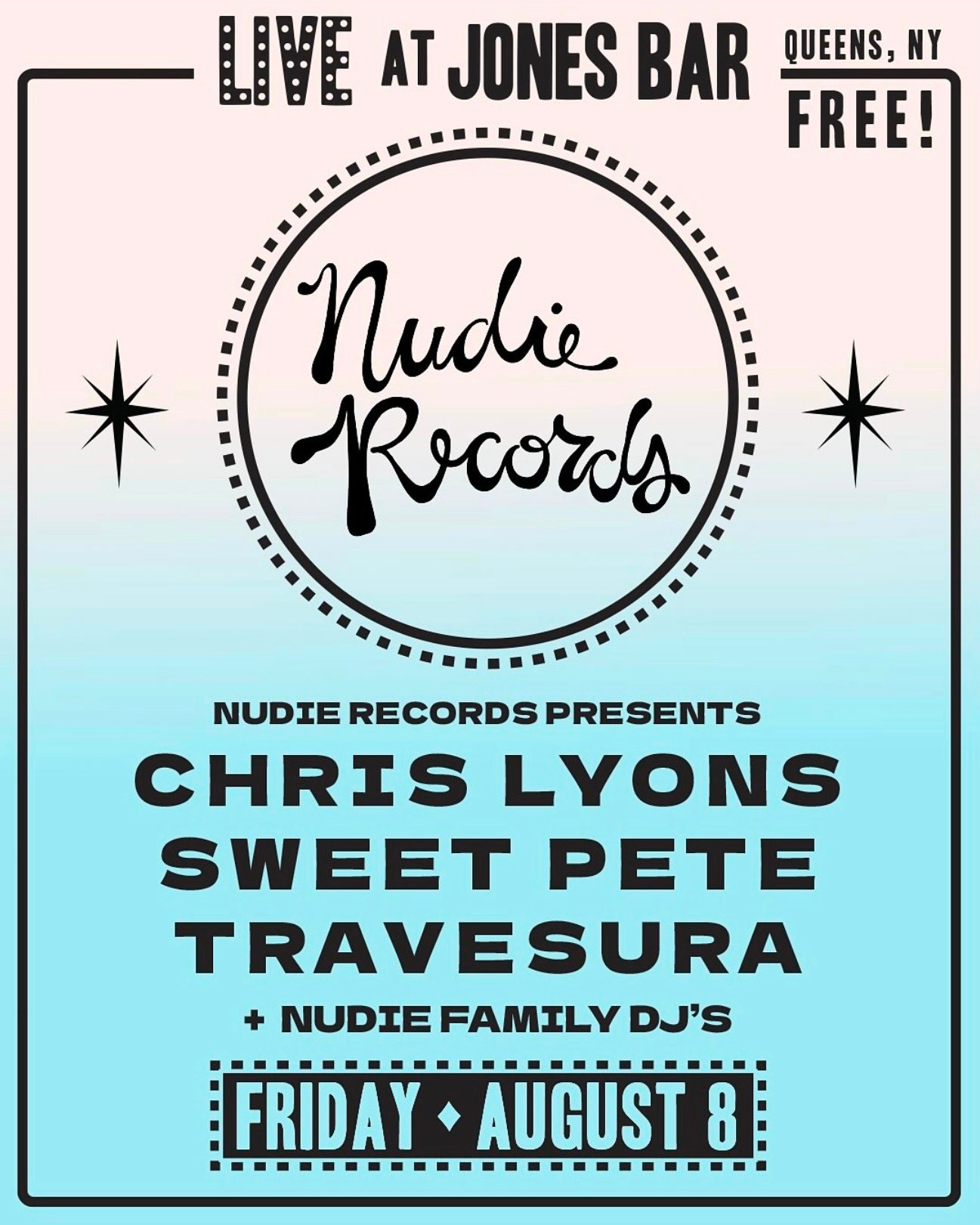
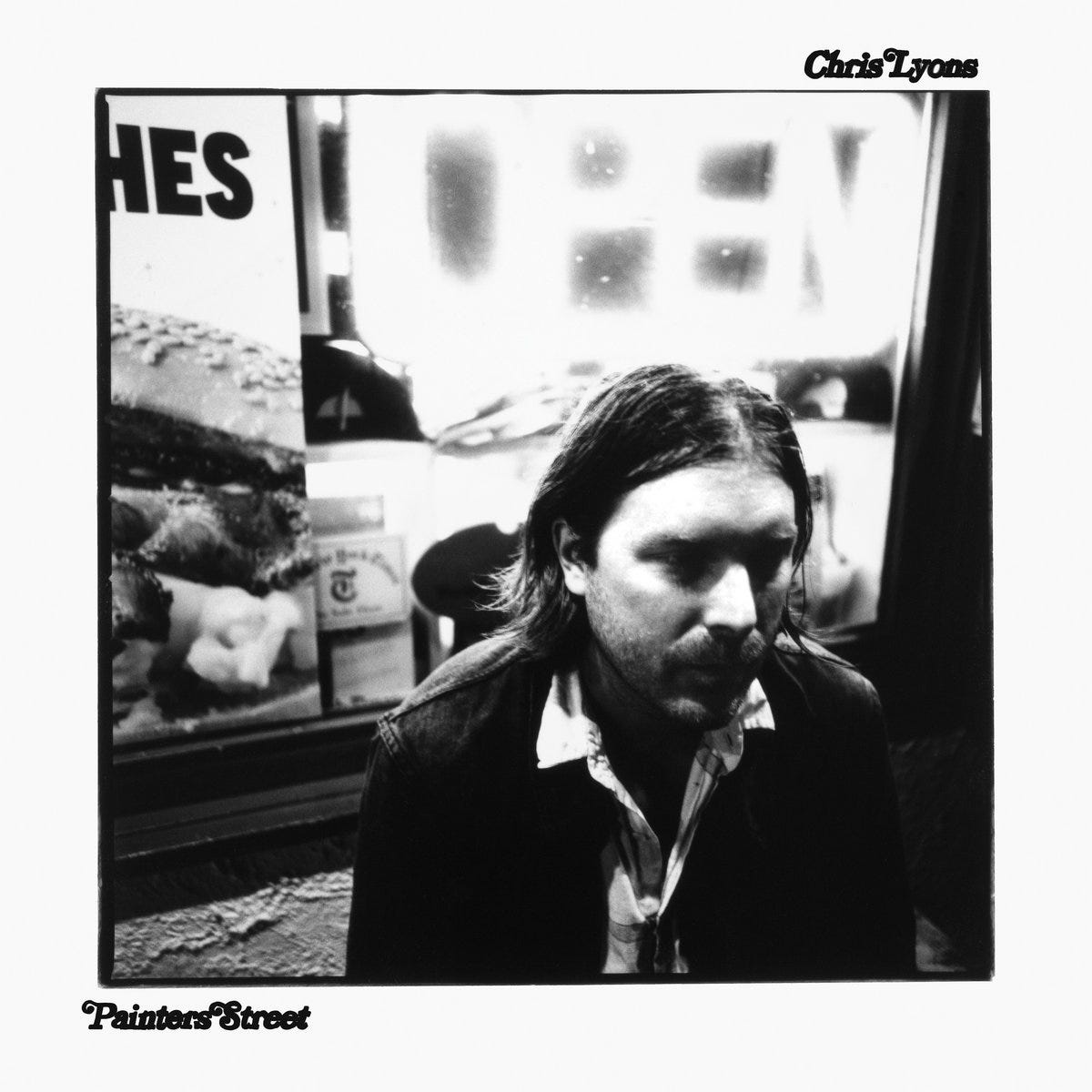
Elise: I hate that term, but it’s kind of true. Chris Lyons played the Nudie show at Jones Bar in Queens that you were at and he ended up meeting Colin from Old Lady and asking him to open for him at his record release show the following week. Going out to New York for us was so validating to see these artists love each other’s records. There is an inherent openness in this musical community. We want to give people space to do exactly this.
Is this level of collaboration happening in other labels operating right now?
Luke: Not necessarily. The ideas and principles we built the label on are based on my own personal past experiences of working with record labels. I tried to take all the best parts of my own time on labels and try to give other artists that experience.
Elise: We pretended to have a record label, then figured it out backwards. But now we’re starting to get artists coming to Nudie from other labels, which helps gain some perspective on what’s happening in the industry. There are so many ways to be a “label,” though. Nudie has a very simple, straightforward handshake deal we make with our artists; they’re in charge and we’re creative collaborators. Overall, we’re just trying to give them a physical manifestation of all this work that they’ve done.
What’s the most challenging part about running a record label?
Elise: The hardest part is that we can’t spend all of our days doing it. I feel like we could push things so much farther, but we have two kids and we both have jobs. In a way, the parameters of time are great, though, because we’re very picky about what we put our energy into.
Luke: I do all the design and social media typically, so that’s where most of my time is spent. We also have to do a lot of PR, and of course talking to artists, making sure everyone is in touch and that we’re fostering future projects.
How many records do you typically put out each year?
Elise: We’ve put out 15 records this year.
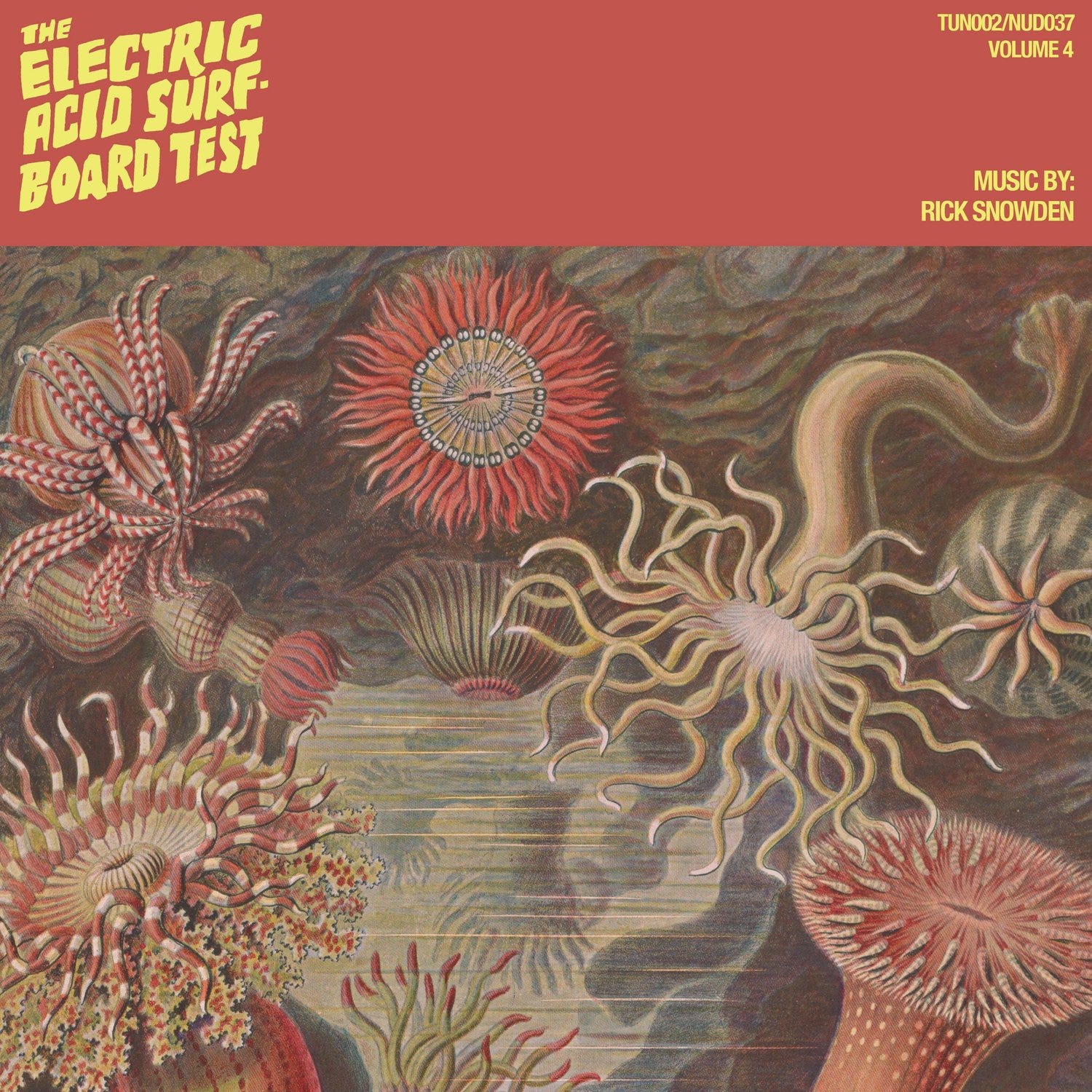
Luke: We also launched an imprint with Tunnel Records out of San Francisco and a collaboration with Rose Los Angeles, a weed edible company.
I’m also curious about what you’ve learned about the process of putting out physical vinyl records.
Elise: It takes a long time. There are a lot of pieces to the puzzle that we try to clear up from the start. Getting the record in the artist’s hands for the release show is also essential. Every part of the process is very personal, it’s a big operation with a lot of people involved.
Why do you feel it’s important for Nudie to put out vinyl?
Elise: I think it’s important for the artists to have something physical to show for their effort and vision.
Why didn’t you get into digital distribution as well?
Elise: Luke and I both think it’s a losing game. It’s chasing this steam beast; it’s not really there, and there’s no real returns for the artist.
Luke: Streaming is like a casino. A lot of people are dropping their coins in the slots and very few are coming up with a jackpot. And the jackpot is more focused on a single song, not the entire album the artist made.
But your artists’ albums are all available on streaming platforms too.
Elise: Yeah, it’s all out there for free, but we don’t deal with working the algorithm. What we’re focused on is connecting the feeling of the record in your hand with the cover art, the artist, the liner notes — all of it. That’s why the vinyl experience has never fully gone away. You can’t compare it to anything.
Luke: Streaming has become more of a tool than a revenue stream. When you talk to the people who work in streaming, they don’t talk about the music; they talk about statistics, algorithmic reach, engagement etc. The actual music is the last thing on their mind.
How you do publicize your artists’ records?
Elise: We focus on radio stations and record stores. When DJs play our music we’ll suddenly get an uptick in sales from a specific geographic location.
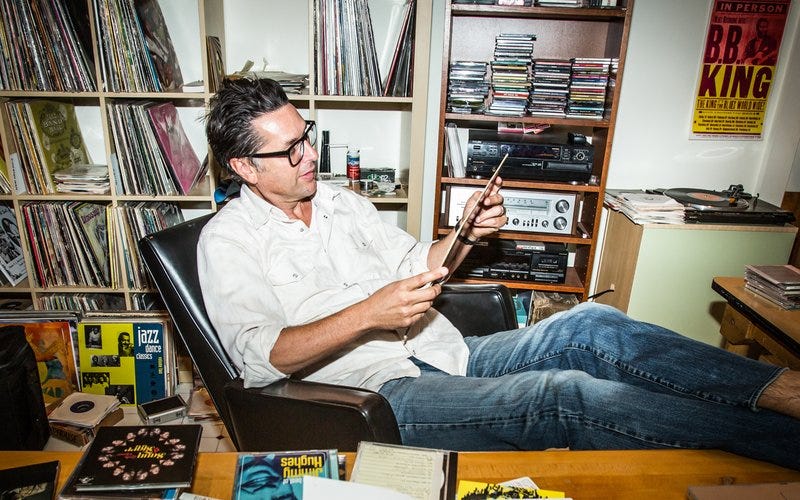
So even in the streaming world we live in, the age-old radio-to-vinyl purchasing model is still working for artists?
Elise: Surprisingly. Like Greg Vandy, who does “The Roadhouse” on KEXP out of Seattle, loves a number of our artists and plays them on his show. There’s a real an overlap of record-buyers and people who tune into radio shows.
Have you put out any live albums?
Luke: We’ve put out one live album by Hunter’s project Underground River, Live At KFJC. We brought him out to play solo acoustic at the Foothill College station and they did an amazing job capturing it. Hunter was on fire that day.
Elise: We have another live album coming out in 2026 from an East Coast band that was recorded by Hunter. Our live records are part of a new Nudie imprint called Skinny Dips — a spot for recording with lighter-weight production and far fewer pressings.
What do you think an indie label’s role in the music industry is right now? And has it changed since Nudie started five years ago?
Luke: I think the indie label role has always been about artist discovery. Taking a chance on unknown artists. You don’t see many major labels putting out someone’s debut album unless they already have acclaim. We love putting out debut albums and introducing people to new music. At some point, a Nudie artist will probably make that jump up to a major label and it would be very cool for everyone.
Elise: If it’s good for them, it’s good for us. But it’s fun to see artists gain more confidence when we approach them about putting their debut record out. It can light a fire in them.
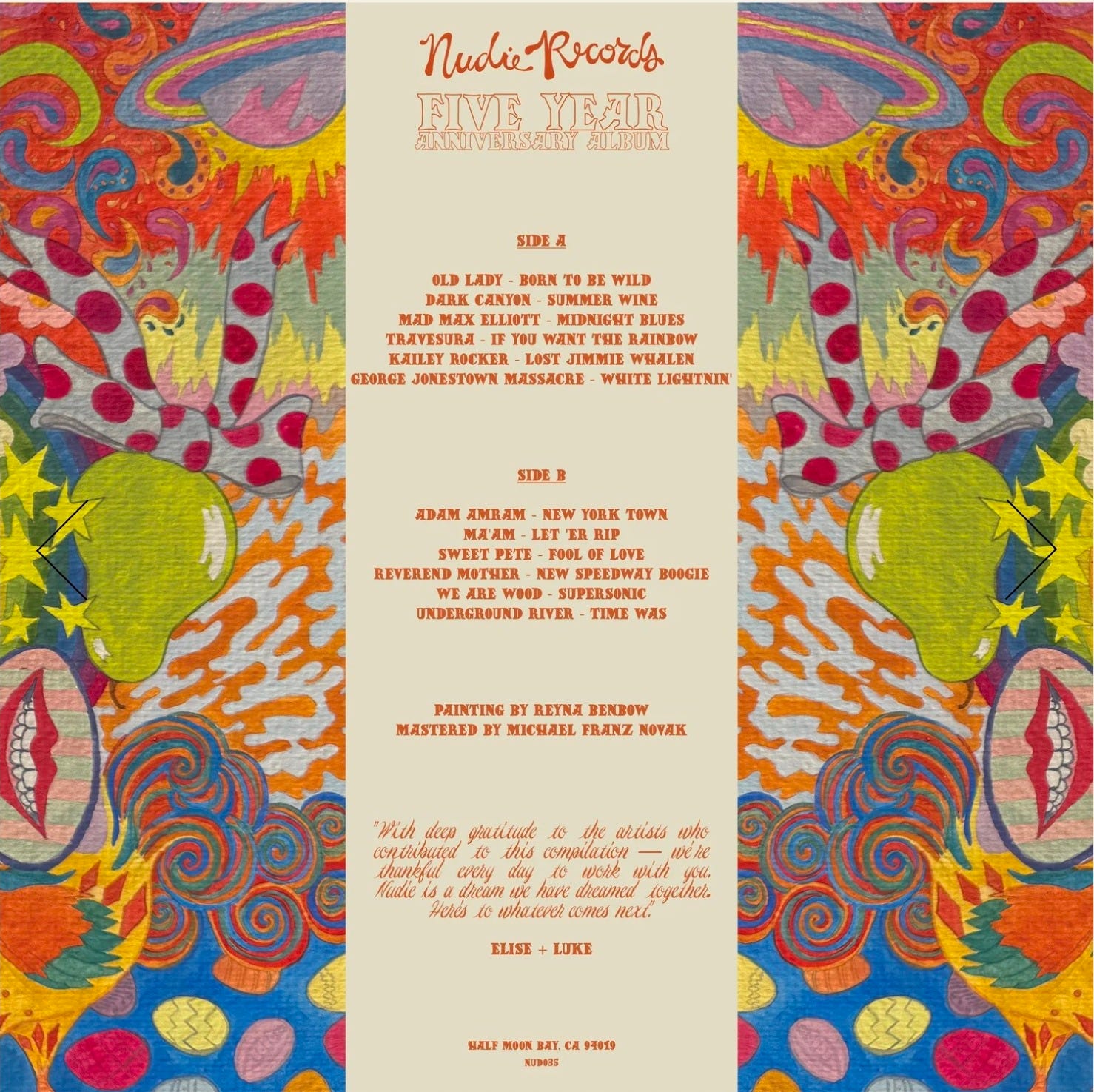
Check out Nudie Records’ Five Year Anniversary sampler vinyl!